Cuttings Dryer: Working Principle and Core Functions for Drilling Waste Management

In modern petroleum drilling engineering, as environmental regulations become increasingly stringent, the effective treatment of oily drill cuttings has become a focal point of the industry. As the core equipment of the Drilling Waste Management System, the cuttings dryer has become the key to achieving mud recovery and waste reduction through its superior solid-liquid separation performance. KOSUN offers advanced cuttings dryers engineered for high-efficiency solids control in demanding drilling environments.

Definition and Application Scenarios of the Cuttings Dryer

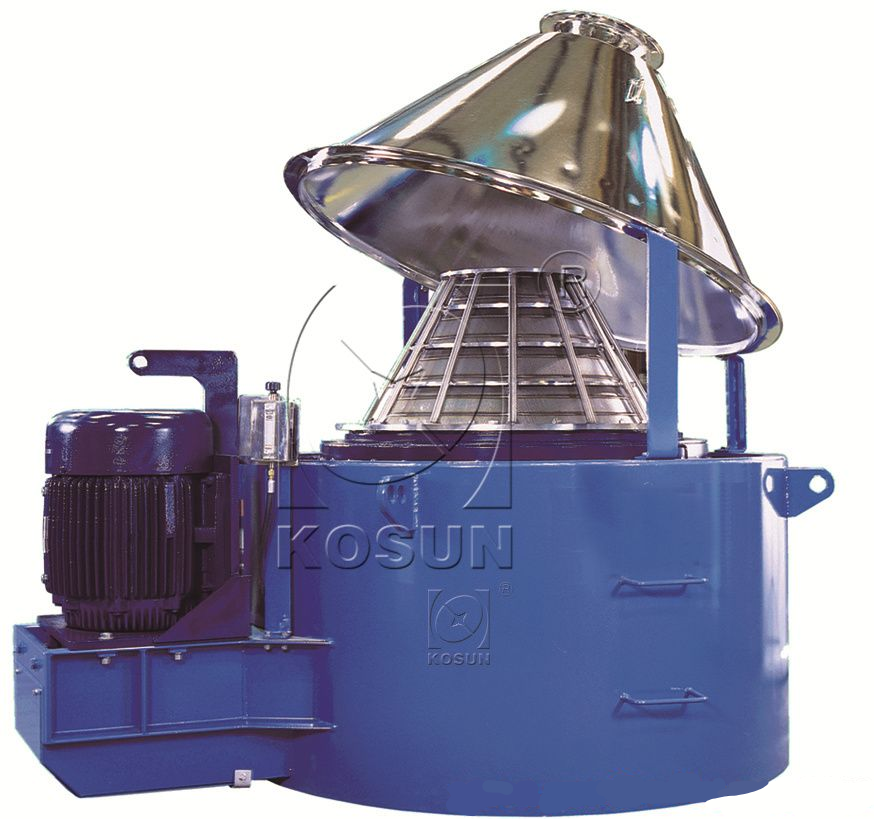
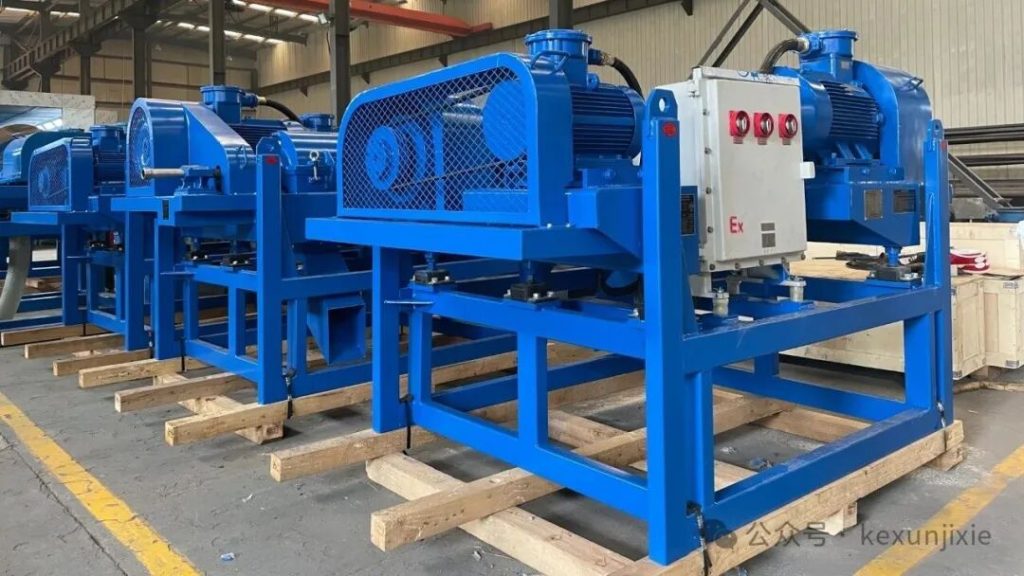
A cuttings dryer (also commonly referred to as a vertical dryer or drill cuttings dryer) is primarily used to treat cuttings generated during drilling processes using Oil-Based Mud (OBM) or Synthetic-Based Mud (SBM). Its core objective is to strip and recover the liquid adhering to the surface of the cuttings using the immense centrifugal force generated by high-speed rotation. This process achieves solid-liquid separation, resulting in drier solids and a significantly reduced oil content on the waste. KOSUN’s cuttings dryers are designed for maximum fluid recovery and minimal waste volume.

Detailed Working Principle of the Cuttings Dryer

Feeding and Acceleration Phase

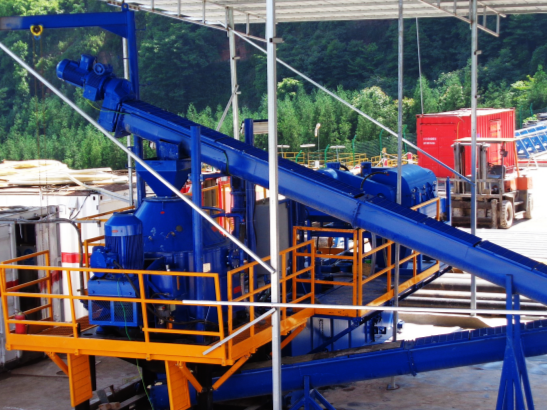
Oily drill cuttings are fed into the top inlet of the cuttings dryer via conveying equipment (such as a Screw Conveyor ). Upon entering the equipment, the cuttings drop into the center of the high-speed rotating basket (screen).

High G-Force Centrifugal Separation Phase

The rotor (containing the screen basket) rotates at high speeds, generating a centrifugal force (G-force) typically ranging from 300G to 900G . Under this intense force, the oil-based liquid adhering to the solid surfaces passes through the screen gaps and enters the liquid collection tank, while solid particles larger than the screen gaps are retained on the inner side of the screen.

Mechanical Scraping and Assisted Discharge Phase

To prevent solids from accumulating and clogging the inner walls of the screen, the cuttings dryer is designed with internal rotating flights (scrapers). There is a slight speed differential between the scrapers and the screen basket. This controlled differential operation scrapes the dried solids off the screen, allowing them to move toward the discharge outlet at the bottom of the equipment under the influence of gravity.

Liquid Recovery and Purification Phase

The expelled liquid phase (mud containing a small amount of fine particles) is discharged through the liquid outlet. Typically, this recovered liquid is sent to a downstream Decanter Centrifuge for further purification. Once ultra-fine particles are removed, the liquid is finally reintroduced into the active mud system for reuse.

Key Technical Parameters Affecting Cuttings Dryer Efficiency

To achieve optimal treatment results under the latest environmental standards, the following parameters are critical:

  • Screen Gap: Typically selected based on the geological formation and lithology.
  • Centrifugal Force: Higher rotational speeds yield greater centrifugal force and better dehydration; however, this places higher demands on the equipment’s dynamic balance and wear resistance.
  • Scraper Wear Resistance: Since drill cuttings are highly abrasive, high-performance cuttings dryer scrapers are usually reinforced with tungsten carbide or other hard alloys to extend their service life.

KOSUN’s cuttings dryers are engineered with durable materials and precision components for long-term reliability in abrasive drilling environments.

Conclusion

Through efficient physical separation, the cuttings dryer not only solves environmental discharge challenges in oilfield operations but also saves drilling contractors significant material costs through high-ratio mud recovery. KOSUN is committed to providing high-performance cuttings dryers and expert support to help customers achieve their operational and environmental goals.

Drilling Fluid Centrifuge: How to Choose the Right One for Your Operation

In oil drilling engineering, drilling fluid centrifuges have become indispensable. Their primary job is straightforward but critical: separate solid particles from the drilling fluid to maintain its performance and quality. Choose the wrong drilling fluid centrifuge, and you risk poor solids control, increased mud costs, and unnecessary wear on downstream equipment. Choose the right one, and you improve drilling efficiency, reduce operating expenses, and minimize environmental impact. So how does an operator make the right choice? KOSUN offers a comprehensive range of drilling fluid centrifuges engineered for high-performance solids control in demanding oilfield applications.

Understanding the Basic Types of Drilling Fluid Centrifuges

The first step is to understand the basic types of drilling fluid centrifuges. Generally, they fall into three categories:

  • The sedimentation centrifuge uses centrifugal force to cause solid particles to settle in a high-speed rotating drum — it is the workhorse of most oilfield solids control systems.
  • The separation centrifuge uses high-speed rotation to separate liquids and solid particles of different densities.
  • The filter centrifuge relies on a filter medium to separate solids from liquids.

For most oil drilling applications, the sedimentation centrifuge is the standard choice, particularly for barite recovery and fine solids removal. KOSUN’s sedimentation centrifuges are designed for maximum efficiency and reliability.

Considering the Drilling Fluid Properties

Once you understand the types, consider the drilling fluid itself. Density is first: high-density drilling fluids require higher centrifugal force to separate solid particles effectively. A drilling fluid centrifuge that works well on light mud may struggle with weighted systems. Viscosity is next: high-viscosity fluids require stronger drilling fluid centrifuges to prevent clogging. Solid content also matters: fluids with high solid content need more efficient separation equipment. The heavier the solids loading, the more robust the drilling fluid centrifuge must be.

Evaluating Processing Capacity

After matching type to fluid properties, evaluate processing capacity. This includes throughput volume — how much fluid the drilling fluid centrifuge can process per hour — and separation efficiency — the proportion of solids it actually removes. There is often a trade-off: higher throughput may mean lower efficiency, and vice versa. Generally, the higher the processing capacity you demand, the larger the size and power requirements of the drilling fluid centrifuge will be. Operators must honestly assess rig space and available power.

Additional Selection Factors

Beyond type, fluid properties, and capacity, several additional factors matter:

  • Bowl speed (G-force) determines how fine a cut the centrifuge can achieve — higher speeds remove finer solids but increase wear.
  • Differential speed between bowl and conveyor affects solids discharge rate.
  • Material construction is critical: drilling fluids are abrasive, so drilling fluid centrifuges with wear-resistant components like tungsten carbide tiles last significantly longer.
  • Maintenance requirements should never be an afterthought — a difficult-to-service centrifuge leads to costly downtime.
  • Automation features like variable frequency drives help operators optimize performance as downhole conditions change.

KOSUN centrifuges are built with durable materials, advanced automation, and easy-maintenance designs for long-term reliability.

Conclusion

Choosing the right drilling fluid centrifuge requires understanding the three basic types, matching them to your fluid’s density, viscosity, and solid content, and balancing throughput against separation efficiency. Bowl speed, wear-resistant materials, maintenance access, and automation features all play important roles. A well-chosen drilling fluid centrifuge recovers valuable barite, removes fine solids, reduces waste disposal costs, and extends equipment life. For any serious oil drilling operation, taking the time to select the right drilling fluid centrifuge is time very well spent. KOSUN is committed to providing high-performance centrifuges and expert guidance to help customers make the right choice.

Sludge Treatment: 1m³/h Oily Sludge System for Efficient Waste Management

Sludge treatment is a critical process for industries dealing with oily waste. On-site sludge treatment saves time and money, reduces waste, and makes it much easier to recycle vital resources. Anyone working in industries such as petrochemicals, oil refining, or steel manufacturing will know all about the problems associated with sludge waste and the legal responsibilities they have when it comes to handling hazardous waste. However, on-site separation facilities work across a range of other industries as well, such as shipping, food and beverages, and wastewater treatment.

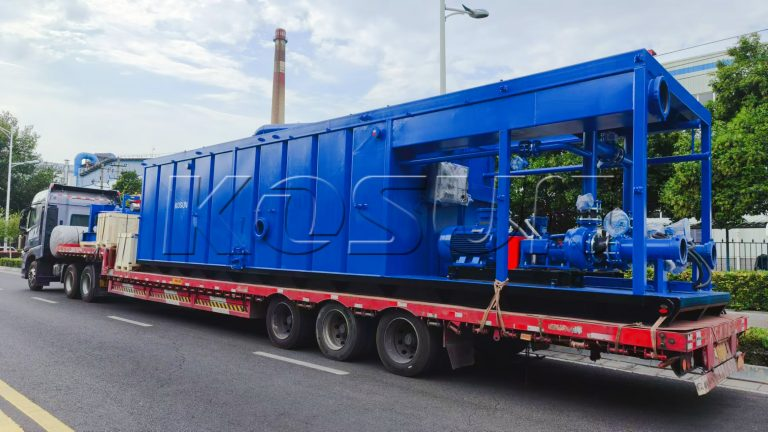
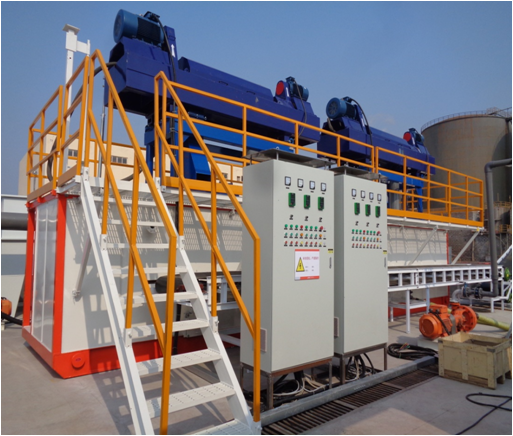
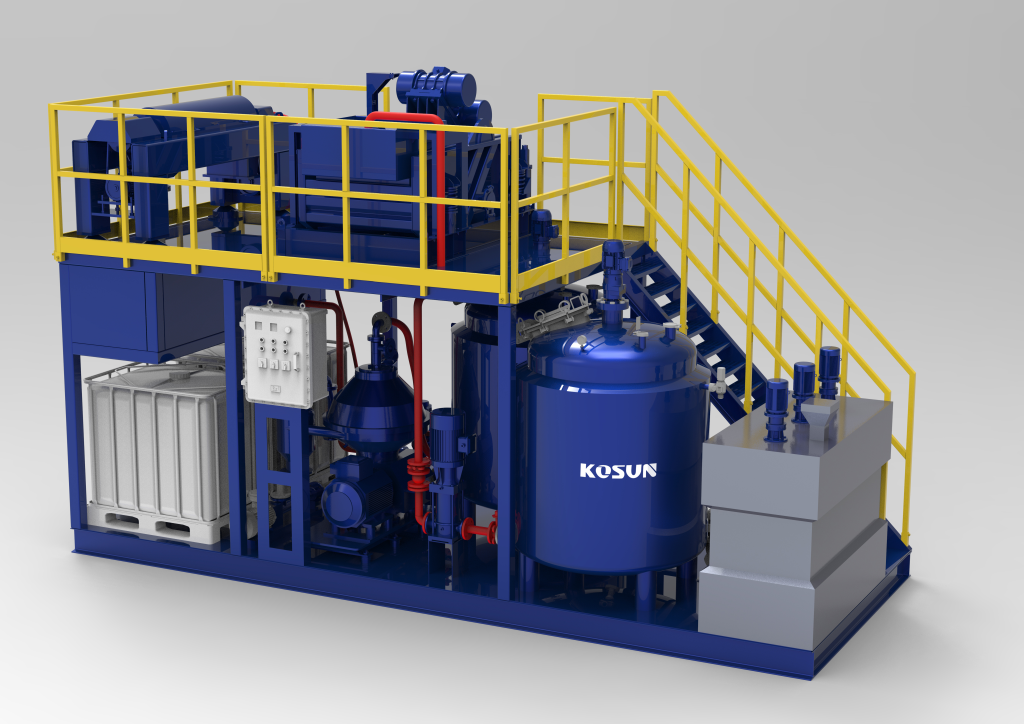
KOSUN Machinery has developed the 1m³/h Oily Sludge Treatment System — an efficient sludge treatment solution specifically designed for the harmless and resourceful treatment of various types of oily sludge. The core of the system adopts advanced chemical hot washing technology, which can maximize the recovery of crude oil from the complex sludge mixture and realize the recycling of water resources and the standard treatment of solid-phase residue. With its significant cost advantage in investment and excellent treatment efficiency, the system has become an ideal choice for sludge treatment in petroleum and petrochemical industries, oilfield exploitation, and oil storage and transportation.

Application Scope of the 1m³/h Sludge Treatment System

The 1m³/h Oily Sludge Treatment System is designed to handle a wide range of oily sludge sources, including:

Landing sludge from oil field operations and equipment leakage

Waste oil-based mud and drill cuttings produced during the drilling process

Oil residue and sludge produced during the cleaning of oil storage tanks and transport tanks

Sediment deposited in oily wastewater sedimentation tanks and catchment pits

Processing Effect of the Sludge Treatment System

After being processed by this sludge treatment system, all phase products can reach industry-leading standards, achieving efficient separation and purification of the “oil, water and solid” three phases:

The oil content of the solid-phase residue is less than 2% , which is far lower than the national general hazardous waste landfill standard. This creates favorable conditions for subsequent advanced disposal (such as pyrolysis, incineration, and biodegradation), significantly reducing disposal costs.

The oil content in the liquid-phase effluent is as low as 200 mg/L , and the water quality is clear. It can be reused in the system’s own cleaning or hot washing process, achieving the internal circulation of water resources within the factory and saving the consumption of fresh water and the cost of wastewater discharge.

Core Process of the Sludge Treatment System
  1. Chemical Hot Washing Process: By adding a specially formulated surfactant and cleaning agent at an appropriate heating temperature, the stable “water-oil-solid” emulsified structure in the oil sludge is disrupted, effectively reducing the adhesion force between the oil phase and the solid phase particles, allowing the crude oil to be fully stripped and released.
  2. Multi-Stage Centrifugal Separation Process: The mixture after hot washing enters high-efficiency multi-stage centrifugal units (such as decanter centrifuges and disc centrifuges). By precisely controlling the centrifugal force field, the fine separation of oil, water, and solid is achieved:

Light phase: The recovered crude oil has a relatively high purity and can be directly sold to refineries as raw materials, generating considerable economic benefits.

Middle phase: The separated water phase can be reused after simple treatment in the system to form a closed loop.

Heavy phase: Solid residues with extremely low oil content, meeting environmental protection requirements.

System Advantages of the 1m³/h Sludge Treatment System
  1. Maximizing Resource Recovery: High crude oil recovery rate, turning waste into treasure, directly generating economic benefits.
  2. Stable and Reliable Treatment Effect: Ensuring that solid residue and effluent quality consistently meet or exceed design standards.
  3. Mature Process with Controllable Costs: Energy consumption and chemical costs are controllable. The recycling of water significantly reduces water consumption and sewage discharge fees.
  4. High Return on Investment: Compared with incineration, pyrolysis, and other high-temperature and high-pressure processes, the system offers a high return on investment. Combined with oil sales income, the investment payback period is short.
  5. Reduction, Harmlessness, and Resource Utilization: The entire sludge treatment process achieves reduction, harmlessness, and resource utilization, helping enterprises achieve environmental protection goals.
Destination of the Final Product
  1. Recovered Oil: If the quality is good, the recovered oil can be sold as raw materials for refineries, realizing resource reuse.
  2. Purified Water: The purified water is recycled within the system, saving energy and reducing consumption.
  3. Deoiling Solid Phase: If the oil content is less than 2% , it can be sent to a professional institution for:

Pyrolysis: Further recovery of energy and solid phase resources

Incineration: Complete harmless treatment

Biodegradation: Ecological restoration

This ensures compliance with local environmental protection policies, ultimately achieving harmless disposal.

Conclusion

The 1m³/h Oily Sludge Treatment System from KOSUN Machinery offers a cost-effective, efficient, and environmentally responsible sludge treatment solution. By recovering valuable crude oil, recycling water, and producing solid residue with oil content below 2% , the system delivers significant economic and environmental benefits. Whether for oilfield operations, storage tank cleaning, or refinery waste, KOSUN provides the expertise and technology to turn waste into value.

KOSUN SP Series Mixing Pump: Advanced Mixing Technology for Drilling Projects

The KOSUN SP Series stainless steel mixing pump provides instant hydration of polymers and bentonite. Discover how its axial turbine and pressure chamber eliminate “fish eyes” and reduce drilling fluid costs.

In modern drilling, whether onshore or offshore, drilling fluid quality determines everything. Its stability directly affects penetration rate, wellbore integrity, and overall project safety. However, preparing ideal fluid is not simply mixing powders with water. It is a complex process requiring powerful mechanical energy. This is where the KOSUN SP Series mixing pump excels.

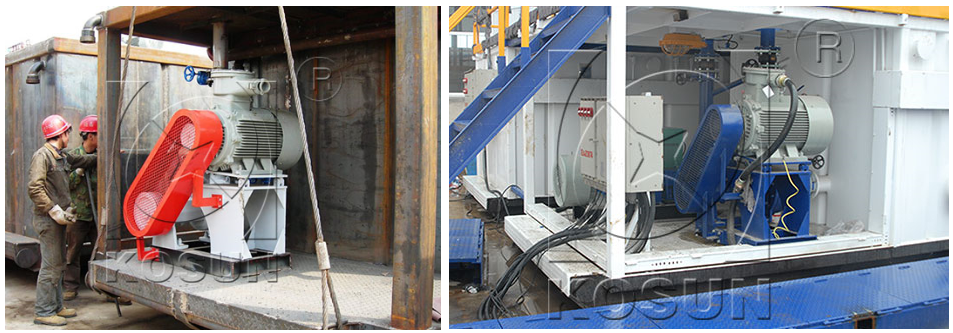
Shear Pump

Why a Conventional Pump Is Not Enough

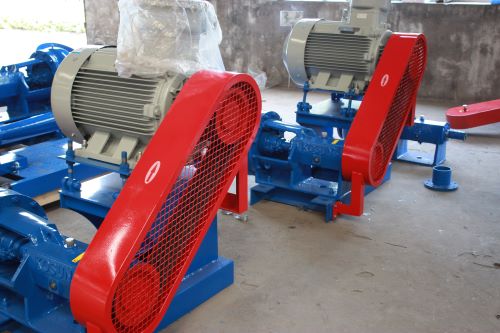
Standard centrifugal pumps are designed for transfer, not mixing. When powdered polymers or bentonite are added to conventional flow, they form dense gel lumps,”fish eyes.” These lumps clog shakers, settle in tanks, and increase additive consumption. Solving this requires a fundamentally different approach.

Innovative Hydrodynamics: Turbine and Pressure Chamber

KOSUN engineers developed a design combining an axial-flow turbine pump with a horn-shaped pressure chamber.

How does it work? Fluid is accelerated by the turbine impeller to high velocity, then directed through nozzles toward an impact plate. At impact, intense mixing forces break molecular bonds, allowing polymers to fully hydrate. The result: complete elimination of “fish eyes” and perfect homogenization.

Materials That Ensure Long Service Life

Drilling fluid is aggressive, abrasive particles and chemicals quickly damage cast iron. For this reason, KOSUN uses precision-cast stainless steel for all wetted parts. Stainless steel provides corrosion resistance and strength to withstand continuous wear. The benefits: extended service intervals and reduced downtime.

Reliable Operation Under Any Conditions: Low NPSH

One main threat is cavitation, caused by insufficient suction pressure. Cavitation damages impellers and seals, leading to premature failure. The SP Series is optimized for low NPSH , maintaining stable operation even where conventional pumps fail.

Global Field Experience and Fast ROI

The KOSUN SP Series has proven itself worldwide, from Middle Eastern deserts to Russian winters and Southeast Asian humidity. A 75 kW configuration delivers 120–150 m³/h , ideal for large-scale systems. Improved chemical utilization and faster hydration reduce cost per cubic meter. Investment typically pays back within months through reduced material consumption and shorter mixing times. API compliance and a compact design simplify maintenance, even in remote locations.

Conclusion

The KOSUN SP Series mixing pump is a critical tool for maximizing drilling efficiency and minimizing non-productive time. With innovative hydrodynamics, durable stainless steel construction, and proven global performance, it delivers reliable, cost-effective mixing for the most demanding operations.

How Does KOSUN Drilling Fluid Jet Mixer Improve Drilling Mud Efficiency?

Drilling fluid plays a vital role in oil and gas drilling because it helps cool and lubricate the drill bit, as well as remove cuttings from the wellbore. Ensuring the proper density and viscosity of drilling fluids is critical to successful drilling operations. This is where KOSUN’s DJM series fluid jet mixer comes in handy.

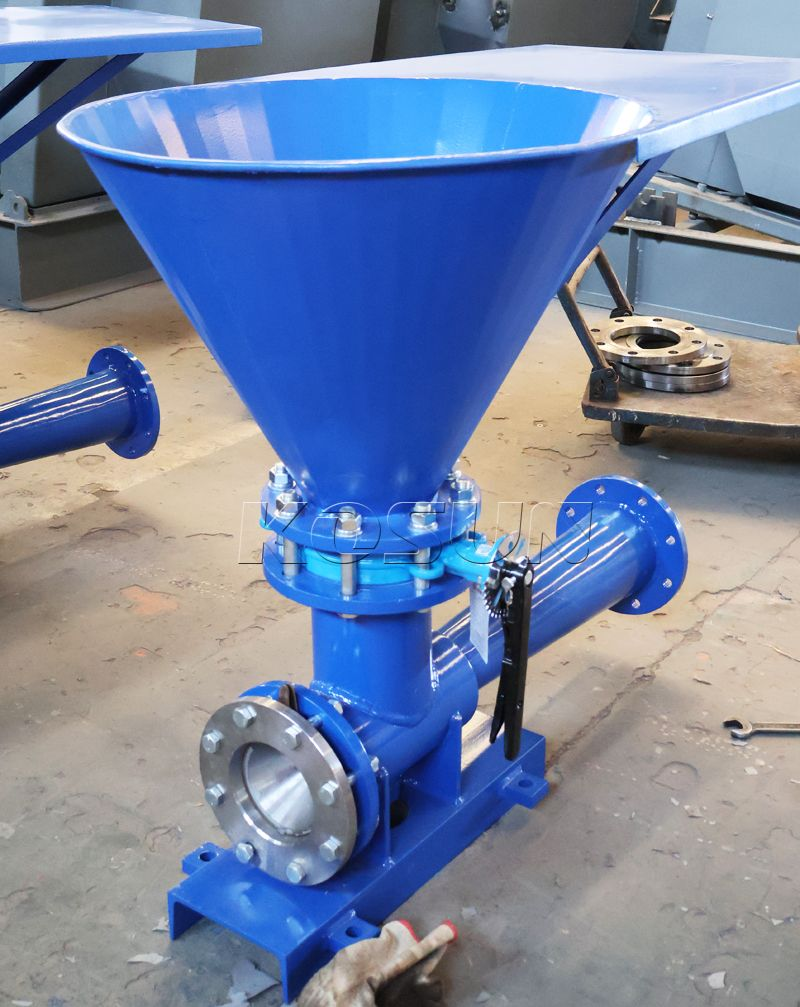
The KOSUN DJM series fluid jet mixer is specifically designed to prepare drilling fluid and adjust its density and viscosity. With its advanced features and functionality, this fluid jet mixer is a game-changer for the industry.

Versatility of the Fluid Jet Mixer

One outstanding feature of the KOSUN fluid jet mixer is its versatility. It is available in two variants: a single jet mixer combined with a sand pump and jet slurry hopper, or a double jet mixer consisting of two pumps and two hoppers. This flexibility allows drillers to choose the configuration that best suits their specific drilling needs.

Weighing hoppers play a vital role in the mixing process. They can be used in combination with the pump, or they can be used alone with the pump connected through the manifold valve. This seamless integration ensures efficient transfer of materials and additives into the drilling fluid, optimizing its performance.

Simplified Additive Integration

The KOSUN fluid jet mixer simplifies the addition of drilling fluid materials and chemical additives. Bentonite and barite powders, as well as polymer additives, can be easily introduced into the circulation tank. By increasing the overall volume of material, the fluid jet mixer ensures consistency and balance of the drilling fluid.

Designed for Efficiency

In addition to superior functionality, the KOSUN DJM Series fluid jet mixer is designed with efficiency in mind. A powerful 45 kW (or 55 kW) sand pump ensures reliable flow for fast and efficient mixing of drilling fluids. This saves valuable time during drilling operations and increases overall efficiency.

Conclusion

The KOSUN DJM series fluid jet mixer is a reliable and efficient tool for the oil and gas drilling industry. With its versatile configuration, seamless integration, and powerful pump, it enhances the efficiency and performance of drilling fluids. Whether adjusting density, viscosity, or adding drilling material, this fluid jet mixer is an invaluable asset to any drilling operation. It is believed that KOSUN Machinery can provide excellent solutions, optimize the drilling process, and promote success.

Centrifuge in Slurry Separation: Core Power for Efficient Processing

In slurry separation systems, the centrifuge is the core power unit, essential for efficiently separating solids and liquids. From construction mud treatment to mining tailings recovery and chemical slurry purification, centrifuges are the key equipment for tackling complex separation challenges. For KOSUN Industrial, mastering high-performance centrifuge technology is central to its competitive edge, delivering reliable support for efficient separation across multiple industries.

How Centrifuges Work

Centrifuges work by using centrifugal force to rapidly separate dense solids from liquids. Slurry enters the rotating drum, solids are pushed outward forming a cake, and the clarified liquid discharges through dedicated outlets. This method is 5–10 times faster than gravity-based separation and excels with fine particles below 20 μm.

Applications in Construction

In construction, centrifuges handle slurry with fine sand and clay, precisely controlling solid content to stabilize boreholes. KOSUN’s construction centrifuges use variable-frequency speed control, reducing sand content to under 1% for high-quality operations.

Applications in Mining

In mining, centrifuges treat tailings slurry with high viscosity, producing dry tailings (<40% moisture ) and clear water for recycling. KOSUN’s mining centrifuges feature wear-resistant drums and corrosion-proof components, doubling service life under harsh, continuous operation.

Applications in Chemical and Environmental Sectors

Centrifuges are also vital in chemical and environmental sectors. They enhance product purity in chemical processing and accelerate solid-liquid separation in wastewater treatment, reducing costs and complexity.

Performance Factors

Performance depends on drum material, speed range, and automation. KOSUN Industrial offers a full spectrum of high-performance centrifuges , from lab to large-scale systems, with intelligent controls for real-time monitoring and parameter adjustment.

Future Trends

As industries demand higher efficiency and stricter environmental compliance, centrifuges are evolving toward smarter, faster, and more durable designs. With innovation at its core, KOSUN continues to optimize centrifuge performance , making it the preferred choice for slurry separation projects across sectors.

Conclusion

Whether for efficient separation, resource recovery, or environmental goals, KOSUN centrifuge provides the reliable, high-performance foundation that modern slurry operations require.

What are the factors that affect the performance of a drilling mud shale shaker?

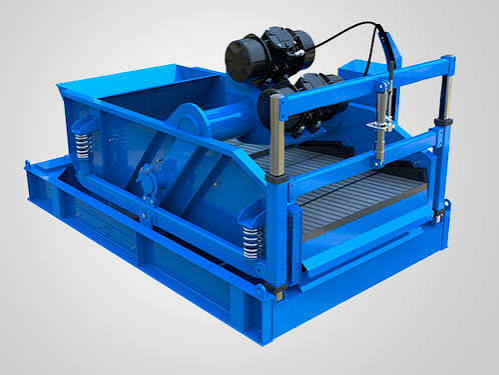
Several factors can influence the performance of a drilling mud shale shaker, which is a primary piece of equipment used for solids control in drilling operations. The performance of a shale shaker depends on various factors, including:

1, Screen Selection:

The selection of the appropriate shale shaker screen is crucial for efficient solids separation. Factors such as mesh size, screen type (e.g., flat or pyramid), and screen quality play a significant role. The mesh size determines the size of particles that can be separated, while the screen type affects the screen’s ability to convey solids and prevent blinding or clogging. Using the correct screen for the specific drilling mud composition and desired separation efficiency is essential.

2, Vibrating Motion:

The type and quality of the vibrating motion produced by the shale shaker can impact its performance. The vibration intensity, frequency, and pattern should be properly adjusted to achieve optimal solids separation. Effective vibration helps convey and distribute the mud across the screen surface, ensuring efficient solids removal.

3, Mud Flow Rate:

The mud flow rate through the shale shaker affects its performance. A high flow rate may reduce the residence time of the mud on the screen, compromising its solids removal efficiency. Conversely, a low flow rate can cause solids to settle and accumulate on the screen surface, leading to blinding. Maintaining an appropriate mud flow rate is important for optimal performance.

4, Screen Condition:

The condition of the shale shaker screen significantly impacts its performance. Over time, screens may experience wear, tear, or damage, resulting in reduced efficiency. Damaged screens can allow fine particles to bypass the screen, decreasing solids removal efficiency and potentially causing issues downstream. Regular inspection and replacement of worn-out screens are necessary to ensure consistent performance.

5, Mud Properties:

The properties of the drilling mud, including viscosity, density, and gel strength, can affect the performance of a shale shaker. High viscosity and gel strength can impede the separation process, making it more challenging to convey solids across the screen surface. Mud density can impact the flow rate and the ability to suspend solids effectively. Monitoring and adjusting mud properties to suit the shale shaker’s capabilities can optimize performance.

6, Solids Loading:

The volume and composition of solids in the drilling mud directly influence the shale shaker’s performance. Higher concentrations of solids or larger particle sizes may require adjustments in vibration intensity, screen selection, or mud flow rate to maintain efficient separation. The shale shaker’s capacity to handle the anticipated solids loading should be considered during operations.

7, Shaker Design and Configuration:

The design and configuration of the shale shaker equipment itself can affect its performance. Factors such as deck angle, number of decks, screen tensioning system, and the presence of enhancements like rubber seals or vibratory motors can impact solids conveyance and separation efficiency. Proper setup and configuration of the shale shaker equipment are crucial for optimal performance.

It is important to note that the specific factors influencing shale shaker performance may vary depending on the manufacturer, model, and operational conditions. Regular monitoring, maintenance, and adjustment of these factors are essential to achieve effective solids control and maximize the performance of a drilling mud shale shaker.

Tags: drilling mud shale shaker, suppliers, manufacturers, factory, wholesale, buy, price, quotation, bulk, for sale, companies, stock, cost.

Related Products:

https://www.kosun.com/products/solids-control-equipment/shale-shaker.html

Understanding the operation of Drilling Mud Shale Shaker

The working principle of a drilling mud shale shaker involves several key components and processes:

1, Feed and Distribution:

The drilling mud containing solid particles is fed onto the shale shaker through an inlet pipe or manifold. It is then evenly distributed across the vibrating screen surface.

2, Vibrating Screen:

The vibrating screen consists of multiple layers of mesh screens, commonly made of stainless steel wire. These screens have varying mesh sizes to accommodate different particle sizes. As the mud flows over the screen, the larger particles and cuttings are separated and held on the top layer, while the filtered mud passes through.

3, Vibration Mechanism:

The shale shaker is equipped with a vibration mechanism, typically an electric motor connected to a vibrating unit. This vibration causes the screen to shake or vibrate rapidly, facilitating the separation of solid particles from the drilling mud. The vibration intensity and frequency can be adjusted to optimize the performance based on the drilling conditions.

4, Collection and Discharge:

As the solid particles accumulate on the top layer of the screen, they are collected and discharged into a separate container, often referred to as the cuttings box or trough. The clean drilling mud passes through the screens and is collected in a separate mud tank for reuse in the drilling process.

Understanding Drilling Mud Shale Shaker operation helps in optimizing drilling processes and ensuring a safer and more productive drilling environment.

Tags: working principle of a drilling mud shale shaker, Drilling Mud Shale Shaker operation, suppliers, manufacturers, factory, wholesale, buy, price, quotation, bulk, for sale, companies, stock, cost.

Related Products:

https://www.kosun.com/products/solids-control-equipment/shale-shaker.html

KOSUN- China Solids Control Leader&Drilling Waste Management Expert
Email: sales2@adkosun.com
WhatsApp/Wechat:+86 18792396268
Contact person: Lily Wang
Online consulting:
http://www.kosun.com
http://www.kosuneco.com

Understanding the Function and Benefits of Drilling Mud Shale Shakers

Drilling mud shale shakers play a crucial role in the oil and gas drilling process. They are vital components of the solids control system, responsible for separating and removing cuttings and other solid particles from the drilling mud. In this blog, we will delve into the details of drilling mud shale shakers, their functions, and how they work.

What is a Drilling Mud Shale Shaker?

A drilling mud shale shaker is a piece of equipment used in the oil and gas industry to separate solid particles, such as cuttings, from the drilling mud. It utilizes a vibrating screen or sieve to separate the larger particles from the drilling fluid, allowing the mud to be reused and circulated back into the wellbore.

The function of a Drilling Mud Shale Shaker

The primary function of a shale shaker is to remove solid particles from the drilling fluid, maintaining its properties and minimizing waste. By separating the cuttings, shale shakers prevent them from accumulating in the wellbore, reducing the risk of equipment damage, improving drilling efficiency, and ensuring a safer drilling environment.

Benefits of Drilling Mud Shale Shakers:

1, Solids Control:

Shale shakers effectively remove solid particles, reducing the concentration of cuttings in the drilling mud and enhancing the overall solids control efficiency.

2, Mud Recycling:

By separating the cuttings, shale shakers allow the drilling mud to be reused, minimizing waste and reducing the cost of mud disposal and replacement.

3, Equipment Protection:

Removing solid particles prevents damage to downstream equipment, such as mud pumps, mud motors, and drilling bits, thereby extending their lifespan and reducing downtime for maintenance and repairs.

4, Environmental Impact:

Shale shakers play a crucial role in environmental protection by minimizing the discharge of drilling waste into the environment. By efficiently separating the cuttings, they contribute to cleaner drilling operations.

Drilling mud shale shakers are essential components of the solids control system in oil and gas drilling operations. By effectively separating solid particles from the drilling mud, shale shakers improve drilling efficiency, protect equipment, and promote environmental sustainability.

Tags: Function of Drilling Mud Shale Shakers, Benefits of Drilling Mud Shale Shakers, Drilling Mud Shale Shakers, What is a Drilling Mud Shale Shaker, suppliers, manufacturers, factory, wholesale, buy, price, quotation, bulk, for sale, companies, stock, cost.

Related Products:

https://www.kosun.com/products/solids-control-equipment/shale-shaker.html

What should users consider before they buy a drilling mud shale shaker?

Drilling mud shale shakers are essential tools in the oil and gas industry that are used to separate solids from drilling fluid or mud. Shale shakers are used in the first stage of the solids control process and are responsible for removing large solids from the drilling mud. Choosing the right shale shaker is important to ensure efficient and effective solids control, which can have a significant impact on the overall success of a drilling operation. Here are some factors that a user should consider before buying a drilling mud shale shaker.

1, Shaker Type and Configuration:

The type of shaker and its configuration should be the first consideration when choosing a shale shaker. The most common types of shale shakers are linear motion shakers and elliptical motion shakers. The linear motion shaker is more common and is designed to move the drilling mud in a linear direction. Elliptical motion shakers, on the other hand, move the drilling mud in an elliptical pattern. Additionally, the user should consider the number of screens on the shaker, as well as the screen size and mesh configuration.

2, Capacity:

The capacity of a shale shaker is another important consideration. The user should determine the maximum amount of solids that will be processed and the required flow rate of the drilling mud. Shale shakers come in different sizes and capacities, and the user should choose one that can handle the anticipated capacity of the drilling operation.

3, Maintenance:

Shale shakers require routine maintenance to ensure optimal performance. The user should consider the ease of maintenance and the availability of replacement parts when choosing a shale shaker. The user should choose a shaker that is easy to maintain and has readily available replacement parts to minimize downtime.

4, Quality:

The quality of the shale shaker is also an important consideration. The user should choose a shaker from a reputable manufacturer with a track record of producing high-quality equipment. High-quality shale shakers are likely to last longer and require less maintenance, which can save the user money in the long run.

5, Price:

The price of the shale shaker is also a consideration. The user should choose a shaker that is within their budget but should not compromise on quality. The user should consider the long-term cost of owning and maintaining the shaker when making a decision.

6, Environmental Impact:

The environmental impact of the shale shaker is another consideration. The user should choose a shaker that is designed to reduce the environmental impact of the drilling operation. This can include features such as energy-efficient motors or the use of biodegradable materials in construction.

In conclusion, when choosing a drilling mud shale shaker, the user should consider the shaker type and configuration, capacity, maintenance requirements, quality, price, and environmental impact. By considering these factors, the user can select a shale shaker that will meet their needs and provide efficient and effective solids control.

KOSUN- China Solids Control Leader&Drilling Waste Management Expert
Email: sales2@adkosun.com
WhatsApp/Wechat:+86 18792396268
Contact person: Lily Wang
Online consulting:
http://www.kosun.com
http://www.kosuneco.com