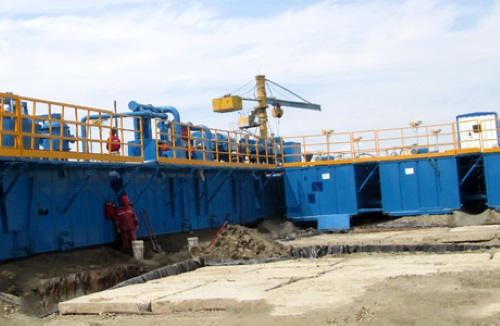
Maximizing Shale Shaker Efficiency in High-Volume Drilling Operations

In high-volume drilling, maximizing shale shaker efficiency is critical for maintaining productivity and controlling costs. Shale shakers are the primary equipment used to separate drill cuttings from drilling fluid. When optimized properly, they improve solids control, reduce waste, and support environmental compliance. This article outlines key strategies, including adjustments to angle and flow rate, preventive maintenance, and modern monitoring systems. KOSUN offers high-performance shale shakers engineered for reliable operation in demanding drilling environments.

Optimal Shaker Angle and Flow Rate Adjustments

Efficient performance depends heavily on shaker angle and flow rate, which directly affect separation quality and fluid recovery.

Fine-Tuning Shaker Angle

Shaker angle strongly influences separation behavior. A steeper angle speeds up fluid drainage, while a shallower angle increases retention time for better solids removal. The right balance depends on:

  • Drilling fluid properties
  • Solids concentration and type
  • Processing capacity requirements
  • Screen mesh size and configuration

Many modern shale shakers allow on-the-fly angle adjustments, enabling operators to respond quickly to changing drilling conditions.

Optimizing Flow Rate

Flow rate must be controlled to avoid screen overload or fluid bypass. Proper optimization considers:

  • Screen capacity and design
  • Fluid viscosity and density
  • Solids loading and particle size
  • Required throughput

Flow control systems and monitoring tools help maintain stable, efficient performance throughout operations.

Preventive Maintenance Strategies

A strong maintenance program is essential for continuous shale shaker operation and reduced downtime.

Maintenance Scheduling
  • Key maintenance practices include:
  • Regular component inspections
  • Timely replacement of worn parts
  • Lubrication of moving systems
  • Screen cleaning and unclogging
Sensor calibration

A proactive approach reduces unexpected failures and keeps performance consistent.

  • Screen Selection and Replacement
  • Shaker screens are central to separation efficiency. Important factors include:
  • Mesh size and screen type
  • Compatibility with drilling fluid
  • Solids load conditions
  • Wear patterns and lifespan

Regular inspection helps identify wear or blinding early. High-quality options like PTS (Pre-Tensioned Screens) can extend service life and improve efficiency.

Advanced Monitoring Systems

Real-time monitoring significantly improves operational control and efficiency.

Sensor-Based Performance Tracking

Modern systems use sensors to track key indicators:

  • Vibration sensors for motion balance
  • Flow sensors for distribution accuracy
  • Pressure sensors for screen loading
  • Temperature sensors for fluid and equipment health
  • These inputs help operators make immediate adjustments.
Predictive Maintenance

Machine learning-based systems can analyze sensor data to:

  • Detect early performance degradation
  • Predict maintenance needs
  • Optimize service schedules
  • Support proactive decision-making
  • This reduces downtime and improves overall equipment reliability.
Conclusion

Maximizing shale shaker efficiency requires optimizing operational settings, maintaining equipment proactively, and using real-time monitoring tools. By adjusting angles and flow rates, implementing structured maintenance, and leveraging predictive systems, operators can improve solids control, reduce downtime, and enhance drilling performance.

As drilling demands increase, adopting advanced shale shaker practices is essential for maintaining efficiency, cost control, and environmental compliance. KOSUN is committed to providing high-performance shale shakers and expert support to help customers achieve their operational goals

Mud Gas Separator: Essential Well Control Equipment for Safe Drilling

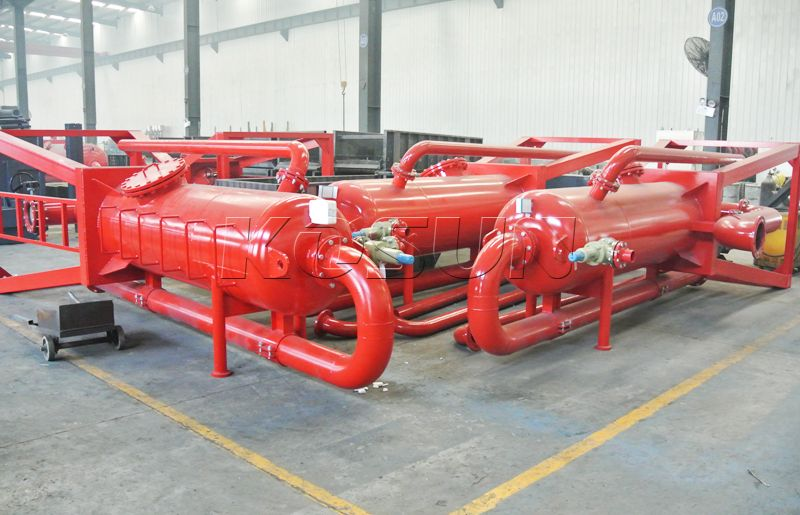
In oil and gas drilling operations, managing gas invasion is a critical safety concern. A mud gas separator — commonly referred to as a poor boy degasser — is a vital component of well control systems, designed to separate and safely discharge gas from drilling fluids. KOSUN provides high-performance mud gas separators engineered for reliable gas handling in the most demanding drilling environments.

Understanding the Mud Gas Separator

A mud gas separator is a specialized vessel used to remove free gas that enters the drilling mud during a kick or when formation pressure exceeds hydrostatic pressure. If left unchecked, gas-contaminated mud loses density and can lead to dangerous well control situations, including blowouts.

The separator operates by directing gas-cut mud through internal baffle plates, which reduce fluid velocity and allow gas bubbles to rise and escape. The liberated gas is then routed through a vent line, typically to a flare system for safe combustion.

Operating Principle of a Mud Gas Separator

When formation gas enters the wellbore, the mud gas separator performs the following functions:

  • Accepts gas-laden drilling fluid from the well
  • Directs flow over internal baffles to slow movement
  • Allows gas to separate from the liquid phase
  • Vents gas to a safe location or flare system
  • Returns cleaned mud to the circulation system

This sequence ensures that well control is maintained and hazardous pressure buildup is avoided.

Where Mud Gas Separators Are Used

Mud gas separators are essential in a variety of drilling scenarios, including:

  • Well control during kicks and pressure surges
  • Blowout prevention systems
  • High-risk formations prone to gas influx
  • Operations involving toxic gases like hydrogen sulfide (H₂S)
  • Situations with incorrect mud weight leading to gas entry

The KOSUN mud gas separator is specifically designed to handle both free and hazardous gases, making it a trusted solution in challenging drilling conditions.

Key Features and Advantages

Modern mud gas separators offer a range of benefits that enhance safety and performance:

  1. High-Efficiency Gas Removal – Effectively extracts large gas volumes from drilling mud, preserving fluid properties and ensuring safe operations.
  2. Controlled Gas Disposal – Gas is directed to a remote flare system, where it is safely burned, reducing risk to personnel and equipment.
  3. Robust and Corrosion-Resistant Construction – Manufactured from high-grade materials with protective coatings to withstand harsh drilling environments.
  4. Improved Well Control – Maintains pressure balance and prevents kicks and blowouts by ensuring gas is removed before mud returns to the wellbore.
Why Mud Gas Separators Are Indispensable

Mud gas separators are a critical part of any well control strategy, offering:

  • Enhanced safety for rig personnel
  • Protection against hazardous gas exposure
  • Reduced environmental impact
  • Improved drilling efficiency
  • Minimized downtime from gas-related problems

Through efficient gas separation and venting, mud gas separators play a key role in maintaining safe and productive drilling operations.

Conclusion

A mud gas separator is more than just a piece of equipment — it is a safeguard against well control incidents and a cornerstone of drilling safety. By effectively removing gas from drilling fluid, it protects people, equipment, and the environment while supporting efficient operations. KOSUN is dedicated to providing reliable mud gas separators and expert support to help customers maintain the highest standards of safety and performance.


Optimizing Mud Mixing with a Shear Pump

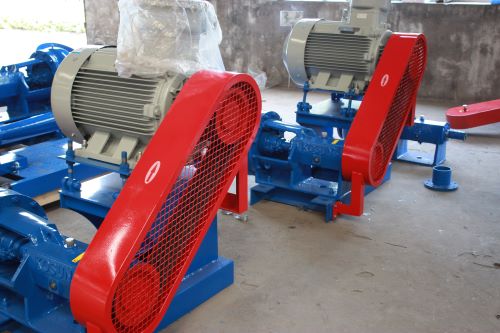
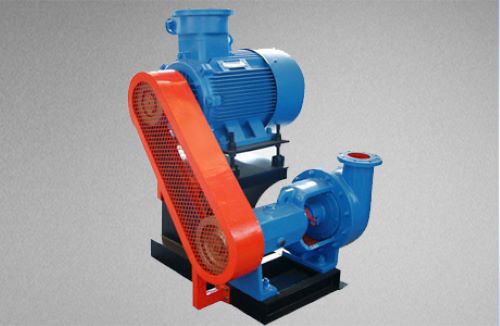
Modern drilling engineering requires high-performance drilling fluid. This fluid stabilizes wellbores. It also carries cuttings efficiently. Operators rely heavily on high-cost polymers. They also use bentonite clays. However, a common industry pain point arises during mixing. Conventional centrifugal pumps lack mechanical force. They cannot disperse these additives fully. As a result, undissolved polymer clusters form. Engineers call these sticky lumps “fish eyes.” They block shale shaker screens quickly. This issue wastes expensive materials. It also degrades overall mud properties. To overcome these mixing inefficiencies, the shear pump serves as a highly specialized engineering solution.Shear Pump

How a Shear Pump Operates in Solids Control

A drilling solids control system manages fluid properties sequentially. It relies on a multi-stage process. Shakers, desanders, and desilters remove harmful drilled solids. Meanwhile, the mixing section reconstructs fluid rheology. Inside the loop, the shear pump integrates strategically into the conditioning phase. It typically works in tandem with a jet mixer. The device does not merely transport fluid. Instead, it utilizes a specially engineered impeller. It also uses a shearing plate combination. The raw slurry passes through the high-speed rotor-stator architecture. Then, the fluid experiences intense, localized mechanical forces. This rapid energy transfer breaks down macro-molecular chains. It also destroys particle agglomerations. Consequently, water molecules penetrate into the core of each clay particle faster.

Field Advantages of the Shear Pump Architectureshear pump

Drilling operations achieve three quantifiable improvements by transitioning to high-shear processing:
    • Accelerated Hydration: The mechanical shearing action reduces chemical dilution time. It speeds up full hydration. Therefore, crews mix high-performance mud rapidly and accelerate spud-in readiness.
    • Material Cost Savings: The system eliminates undissolved clusters completely. It optimizes soil particle hydration. Therefore, it ensures that every kilogram of additive remains active. Field data demonstrates bentonite savings of over 30%. This directly lowers mud-building costs.
    • Enhanced Hydraulic Capacity: The system features an optimized power-to-flow ratio. It offers larger capacity. It also provides higher lift. Concurrently, this keeps sufficient hydraulic energy in the mud loop to meet deep-well circulation demands.

Ultimately, preventing material waste enhances a well’s overall economic yield. Shortening mud preparation intervals also drives efficiency. For drilling contractors, upgrading to this engineered shear pump system represents a highly reliable operational decision.

How Skid-mounted Drilling Mud Solids Control Systems Significantly Shorten Field Installation Time

In oil drilling operations, time is directly linked to operating costs. The field installation of traditional solids control systems is usually a massive project involving secondary positioning of numerous loose components, on-site pipe welding, electrical control line laying, and repeated system debugging. In harsh field environments, these processes not only consume significant manpower but are also prone to delays caused by geological conditions or weather factors, directly impacting the overall progress of the drilling team.

Skid-mounted Integration: Keeping Complex Processes in the Factory
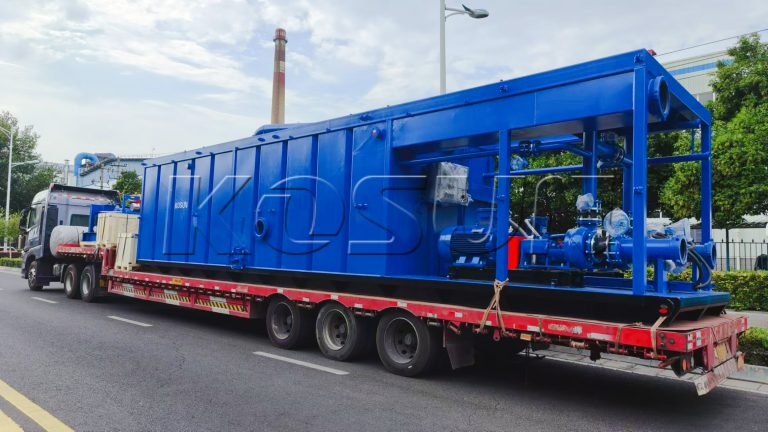
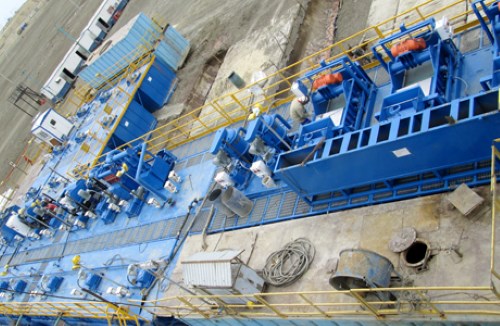
The core philosophy of the skid-mounted drilling mud solids control system launched by KOSUN is “factory integration.” We precisely layout and fix key solids control equipment—including shale shakers, vacuum degassers, desanders, desilters, centrifuges, and mud tanks—onto a unified base before they leave the factory. This means over 80% of the assembly, welding, and electrical debugging work is completed in a standardized factory environment. Once the equipment arrives at the wellsite, field personnel only need to complete the connection of external pipe network interfaces and power input to achieve rapid production, shortening the traditional multi-day installation cycle to just a few hours.

Flexible Migration: Customized for Efficient Site Transfers
The frequent relocation requirements of land rigs demand strict equipment mobility. The ingenuity of the skid-mounted design lies in the convenience of “one movement for the whole system.” Due to the high integration of functional components, there is no need to disassemble complex connectors during migration; only an integrated hoisting for transportation is required. Furthermore, for wellsites with limited space, KOSUN utilizes a compact design that reduces the footprint by approximately 30% compared to traditional distributed installations, effectively lowering the complexity of wellsite preparation.

Detail Innovation: Enhancing the Stability of Field Operations
To ensure that operational quality is not sacrificed while shortening installation time, the system incorporates several detailed innovations. For instance, to address mud sedimentation challenges, composite tanks with conical bases and high-power mud agitators are utilized. The piping system is controlled through flexible valves, enabling seamless switching between tanks. These designs not only speed up installation but also make on-site operation and maintenance simple and efficient.

Drilling Efficiency and Environmental Protection KOSUN Dual Motion Shale Shaker Analysis

In oilfield and HDD projects, balancing fast ROP with dry cuttings is a core Solids Control challenge. KOSUN has launched the Dual-Motion Shale Shaker, a high-performance tool designed for efficient mud recovery and Drilling Waste Management (DWM).

What is a Dual Motion Shale Shaker

The KOSUN Shale Shaker combines two motion patterns to handle diverse geological conditions:

Linear Motion Mode: Delivering a high 7.4G G-force, this Shale Shaker mode ensures rapid solids discharge during high-flow surface drilling.

Balanced Elliptical Motion Mode: This mode extends drilling fluid retention time on the Shale Shaker screen, maximizing fluid recovery and preventing “screen blinding” in sticky formations.

KOSUN Dual Motion Shale Shaker with Special Hot-Dip Galvanizing Process

For coastal or high-salt environments, KOSUN offers a Customized Galvanized Shale Shaker:

Ultimate Anti-Corrosion: The Hot-dip Galvanizing layer bonds deeply with the metal. This Shale Shaker withstands corrosive gases and salt mist much longer than painted units.

Premium Design: The unique metallic finish provides a professional look for offshore drilling and coastal sites.

KOSUN Dual Motion Shale Shaker Core Technology and Advantages

KOSUN focuses on reliability to outperform international Shale Shaker brands:

AWD Screen Box Adjustment: The AWD system allows users to adjust the Shale Shaker deck angle from -1° to +5° without downtime. It is more rugged than electronic actuators.

Easy Maintenance: With a stable mechanical switch, this Shale Shaker minimizes NPT (Non-Productive Time).

The Dual Motion Shale Shaker as the First Gate of Drilling Cuttings Management

As the primary stage of Drilling Waste Management, the KOSUN Shale Shaker ensures drier waste:

Lower Workload: High-efficiency separation reduces the load on downstream Vertical Cuttings Dryers.

Environmental Compliance: Drier discharge from the Shale Shaker is key to achieving “Green Drilling” and zero-discharge standards.

How to choose a Shaker Screen

The selection of a shaker screen requires comprehensive consideration of key factors such as application, material characteristics, equipment type, material, specifications, and cost. Adhering to the latest selection standards of 2026, precise matching with operating conditions is crucial for achieving efficient screening and cost reduction. It’s essential to clearly define the screening purpose and material properties, matching appropriate materials and specifications based on particle size, moisture content, and corrosiveness. Furthermore, the screen tension and structure should be matched to the equipment type to avoid problems like clogging and deformation.

Regarding materials, 304 stainless steel is suitable for general chemical applications, 316 is resistant to strong acids and alkalis, polyurethane screens offer excellent anti-clogging properties, and manganese steel screens are wear-resistant and impact-resistant; selection can be made according to specific needs. Mesh count and aperture should follow the principle of “aperture ≈ maximum particle size × (1.1–1.2)”, while wire diameter and aperture type should be adjusted based on anti-clogging requirements and equipment type. KOSUN Machinery specializes in screen manufacturing, offering a complete range of products including composite frame screens, flat screens, frame screens, corrugated screens, and so on . All are made of high-quality stainless steel, meet API standards, and offer high screening accuracy and long service life.

As a professional solids control system manufacturer, KOSUN produces screens for shale shaker screens, cleaners, and other equipment, compatible with various internationally renowned vibrating screen brands. We also offer customized specifications to meet specific customer needs, combining competitive pricing with comprehensive after-sales service. We provide a one-stop solution for all your screen selection, customization, and usage needs, empowering efficient production across various industries.

Drilling Fluid Linear Motion Shale Shaker

The drilling fluid linear motion shale shaker exhibits significant advantages when processing drilling fluid. Due to the linear trajectory of the screen box movement, drill cuttings (Drill Cuttings) move clearly and at a stable speed across the screen mesh (Screen Mesh). The discharge process is smooth, reducing the likelihood of blockages or accumulation. Concurrently, the screen deck is designed to be horizontally placed, which effectively controls the overall height of the shaker. This makes it highly suitable for drilling platforms (Drilling Platform/Rig) or limited space environments where equipment height is a constraint, allowing for installation without the need for additional structural support.

Enhancing Solids Control Precision: Core Technology Assurance

In practical operation, the screen mesh of the drilling fluid linear motion shale shaker maintains a consistent direction of force application, and the acceleration distribution is uniform. This stable linear vibration method enables the continuous use of finer mesh screens (higher mesh counts) without easy damage, which is crucial for improving the precision of drilling fluid solids control (Solids Control). Effective separation of fine particles helps maintain stable mud properties (Mud Properties), thereby reducing drilling risks and extending the service life of downstream solids control equipment (such as centrifuges (Centrifuge), desanders (Desander), etc.).

Performance Beyond: Meeting Deep Well and High Flow Rate Demands

Compared to traditional circular motion shale shakers, the linear motion shale shaker produced by KOSUN also boasts a significant advantage in processing capacity (Throughput). Material flows faster across the screen surface, resulting in higher throughput per unit of time, capable of meeting drilling demands for deep well drilling, high flow rate drilling, and complex geological conditions. Consequently, it demonstrates excellent adaptability and high efficiency across various drilling scenarios.

Reliable Oil Drilling Equipment Structure

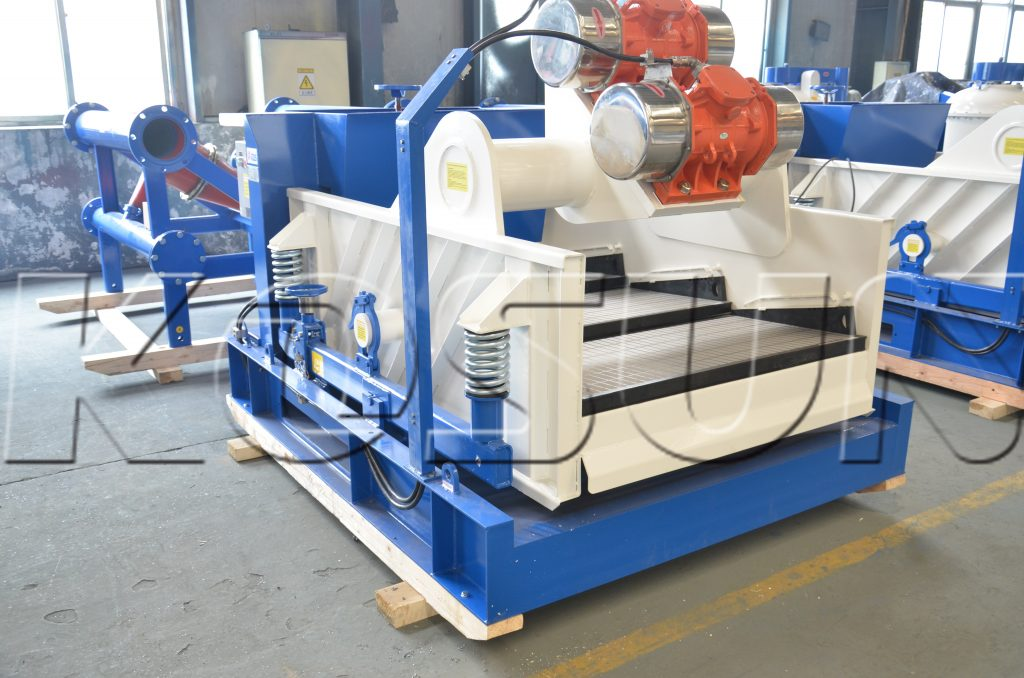
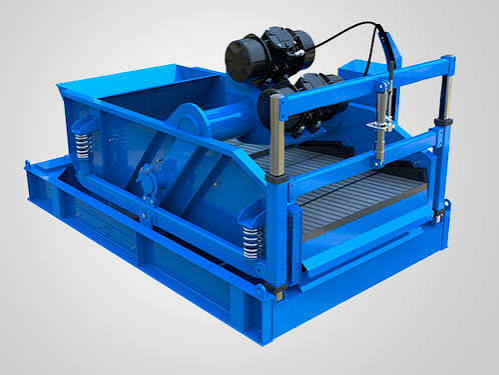
The main structure of the drilling fluid linear motion shale shaker is comprised of the screen box, screen frame, shock absorption system, dual vibrating motors, and a reinforced base frame. These components feature an optimized design to ensure the equipment maintains reliable and stable operation even in high-frequency vibration environments. The shock absorption system effectively reduces vibration transfer, extending the service life of the entire machine; the high-strength screen box enhances wear resistance and impact capacity; and the self-synchronizing reverse rotation design of the dual vibrating motors ensures smoother vibration, simple maintenance, and lower operating costs.

Industry Application and Value Proposition

With its stable vibration effect, powerful processing capacity, and excellent solid-liquid separation performance, the drilling fluid linear motion shale shaker manufactured by Xi’an KOSUN has become a crucial piece of equipment for many oil drilling enterprises in their mud purification and solids control processes, playing an irreplaceable role in improving drilling fluid quality, reducing drilling risks, and enhancing operational efficiency.

KOSUN Mud Separation Shale Shaker: The Ultimate Solution for Efficient Solids Control


Maximize Drilling Efficiency with KOSUN’s Advanced Shale Shaker Technology

In the fast-paced world of oil and gas drilling, effective solids control is critical to maintaining operational efficiency and reducing costs. The KOSUN Mud Separation Shale Shaker stands out as a high-performance, reliable, and durable solution designed to handle even the toughest drilling conditions.

Whether you’re working on onshore, offshore, or directional drilling projects, KOSUN’s shale shaker ensures optimal separation of drill cuttings, prolonging the life of your drilling fluids and equipment.


Why Choose KOSUN Mud Separation Shale Shaker?

✅ Superior Solids Removal – High-frequency vibration efficiently separates fine and coarse particles, ensuring cleaner drilling fluid.
✅ Robust & Durable Design – Built with high-quality materials to withstand harsh drilling environments.
✅ Energy-Efficient Operation – Advanced motor technology reduces power consumption while maintaining peak performance.
✅ Easy Maintenance – Modular design allows for quick part replacement, minimizing downtime.
✅ Customizable Options – Available in various sizes and configurations to meet specific project needs.


How KOSUN Shale Shaker Enhances Your Drilling Operations

  1. Improves Drilling Fluid Quality
    • Removes harmful solids that can damage pumps, bits, and other equipment.
    • Maintains optimal mud properties for smoother, faster drilling.
  2. Reduces Operational Costs
    • Extends the lifespan of drilling fluids, cutting down on mud replacement costs.
    • Lowers maintenance expenses by preventing equipment wear and tear.
  3. Boosts Environmental Compliance
    • Minimizes waste generation, helping you meet strict environmental regulations.
    • Supports sustainable drilling practices with efficient solids control.

Applications of KOSUN Mud Separation Shale Shaker

  • Oil & Gas Drilling – Ideal for both conventional and unconventional drilling operations.
  • Horizontal Directional Drilling (HDD) – Ensures clean drilling fluids for extended borehole stability.
  • Geothermal & Water Well Drilling – Handles high-temperature and high-pressure conditions with ease.
  • Offshore Rigs – Compact and rugged design perfect for space-constrained environments.

Upgrade Your Solids Control System Today!

Don’t let inefficient solids control slow down your drilling progress. The KOSUN Mud Separation Shale Shaker delivers unmatched performance, reliability, and cost savings—making it the top choice for modern drilling operations.

🚀 Ready to Optimize Your Drilling Efficiency?
👉 Contact KOSUN today to find the perfect shale shaker for your needs!

What Is the G Force of a Shale Shaker? – KOSUN’s Advanced Vibration Technology

In drilling operations, shale shakers are the first and most critical stage of solids control, separating drill cuttings from drilling fluid. A key factor affecting their performance is G force (gravitational force), which determines how efficiently the shaker removes solids.

KOSUN, a leading manufacturer odrilling fluid solids control equipment, designs high-performance shale shakers with optimized G forces to maximize separation efficiency while ensuring equipment durability.


Understanding G Force in Shale Shakers

What Is G Force?

  • G force (or “G-factor”) measures the acceleration of the shale shaker’s vibrating motion relative to Earth’s gravity (1G = 9.81 m/s²).
  • A higher G force means stronger vibration, improving solids separation but also increasing wear on the shaker.

Typical G Force Range

  • Most shale shakers operate between 4G to 7G.
  • KOSUN’s shale shakers are engineered for adjustable G force, allowing operators to balance separation efficiency and machine longevity.

Why G Force Matters in Solids Control

  1. Better Separation Efficiency
    • Higher G forces (5G-7G) improve fine solids removal, crucial for weighted mud systems.
    • Lower G forces (4G-5G) are suitable for delicate screens or lighter drilling fluids.
  2. Screen Life & Equipment Durability
    • Excessive G force can damage screens and increase maintenance costs.
    • KOSUN shakers use precise vibration control to extend screen life while maintaining performance.
  3. Adaptability to Drilling Conditions
    • Different formations (e.g., hard rock vs. soft clay) may require varying G forces.
    • KOSUN’s variable-frequency drives (VFDs) allow real-time G force adjustments.

KOSUN’s Shale Shaker Technology

Key Features

✔ Adjustable G Force (4G-7G) – Optimized for different drilling conditions.
✔ Durable Screen Design – Reduces wear even at high G forces.
✔ VFD Control – Allows operators to fine-tune vibration intensity.
✔ Low Maintenance – Robust construction for long-term reliability.

Applications

  • Oil & Gas Drilling – Efficient solids removal for both land and offshore rigs.
  • HDD (Horizontal Directional Drilling) – Customizable G force for varying slurry types.
  • Environmental Drilling – Gentle yet effective separation for sensitive operations.

Conclusion

The G force of a shale shaker directly impacts solids control efficiency, screen life, and operational costsKOSUN’s advanced shale shakers provide optimal G force settings, ensuring high performance while minimizing downtime.

For superior solids control solutions, trust KOSUN’s expertise in drilling fluid management!

“Why Shale Shakers Are Indispensable in Modern Drilling Operations”

What Is a Shale Shaker?

A shale shaker is the primary solids control equipment in drilling operations, designed to remove large cuttings and solids from drilling fluid. Positioned at the beginning of the solids control system, it prevents coarse particles from entering downstream equipment, ensuring efficient fluid management and protecting critical components.

Core Function & Working Principle

Shale shakers operate as vibrating screens that separate solids from drilling fluid. Key features include:

  • Vibration Patterns: Linear, elliptical, or circular motions optimize separation based on drilling conditions.
  • Mesh Screens: Different mesh sizes filter varying particle sizes, with finer meshes enhancing fluid cleanliness.
  • Key Components:
    • Deck & Basket: Support and secure the screens.
    • Motor: Generates vibration for efficient separation.

Types of Shale Shakers

  • Single-Deck: Basic design for standard separation.
  • Double-Deck: Enhanced filtration with two screening layers.
  • Triple-Deck: High-capacity separation for demanding operations.

Why Shale Shakers Are Critical

  1. Cost Efficiency: Recycles drilling fluid, reducing mud consumption.
  2. Equipment Protection: Prevents abrasive wear on pumps, centrifuges, and pipelines.
  3. Wellbore Stability: Maintains optimal fluid density to avoid wellbore collapse.
  4. Environmental Compliance: Minimizes waste volume for easier disposal.

Key Selection Factors

  • Fluid Compatibility: Matches viscosity and flow characteristics.
  • Screen Durability: Composite screens offer longer life than metal alternatives.
  • Adjustable Vibration: Customizable settings for different drilling phases.
  • Ease of Maintenance: Quick screen replacement and motor access.

Common Challenges & Solutions

  • Screen Blinding: Clean screens regularly to prevent clogging.
  • Poor Vibration: Inspect motors and adjust settings as needed.
  • Wear & Tear: Replace damaged screens promptly to maintain efficiency.

Technological Advancements

  • Composite Screens: More durable and efficient than traditional metal screens.
  • Automation & Monitoring: Real-time adjustments for optimal performance.
  • Energy Efficiency: Reduced power consumption without compromising function.

Conclusion

Shale shakers are indispensable in modern drilling, ensuring efficient solids control, cost savings, and equipment longevity. Advances in screen technology and automation continue to enhance their performance. For expert guidance on selecting the right shale shaker for your operation, contact us today.