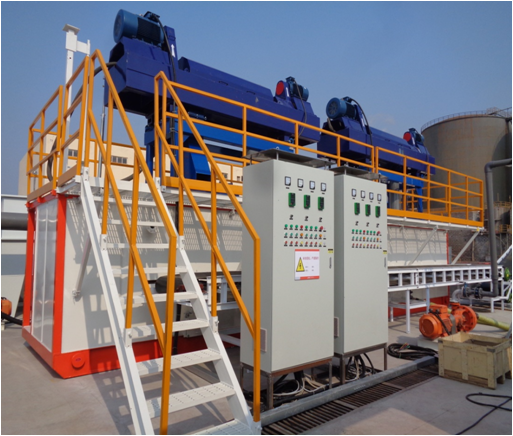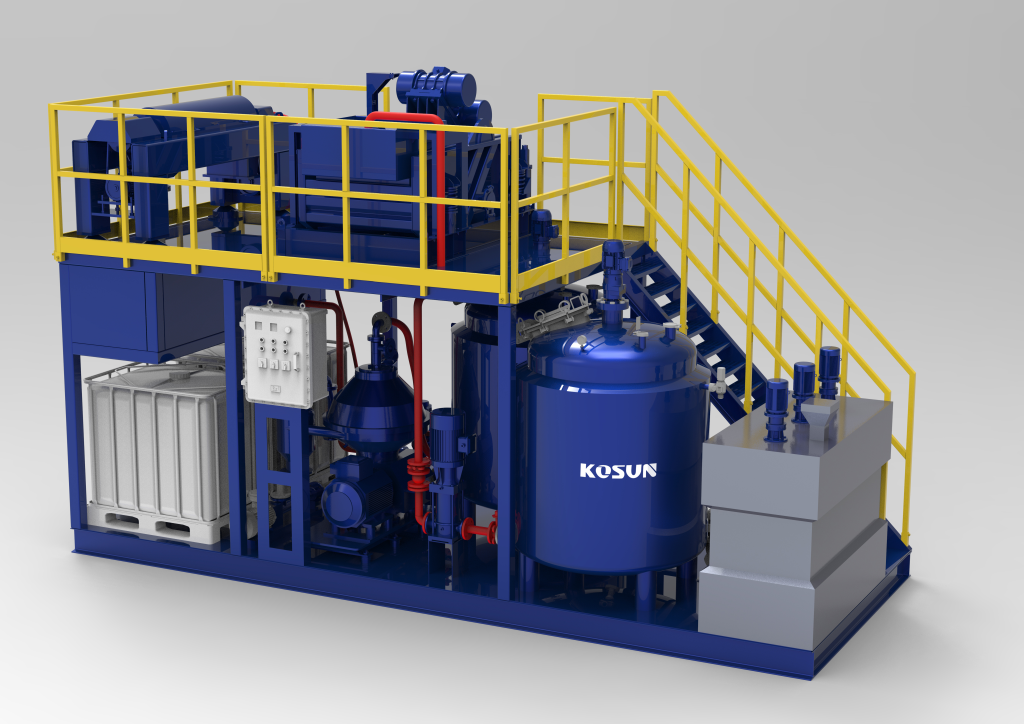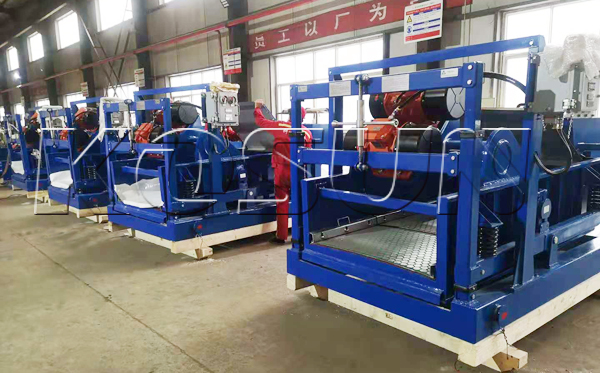
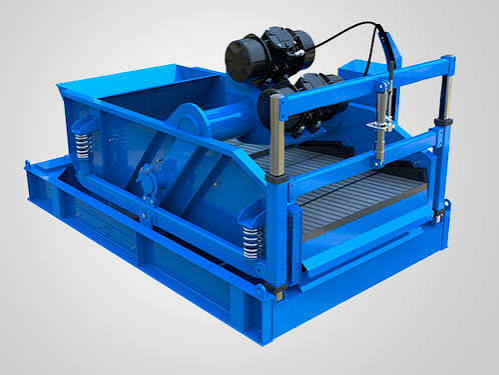
In high-volume drilling, maximizing shale shaker efficiency is critical for maintaining productivity and controlling costs. Shale shakers are the primary equipment used to separate drill cuttings from drilling fluid. When optimized properly, they improve solids control, reduce waste, and support environmental compliance. This article outlines key strategies, including adjustments to angle and flow rate, preventive maintenance, and modern monitoring systems. KOSUN offers high-performance shale shakers engineered for reliable operation in demanding drilling environments.
Optimal Shaker Angle and Flow Rate Adjustments
Efficient performance depends heavily on shaker angle and flow rate, which directly affect separation quality and fluid recovery.
Fine-Tuning Shaker Angle
Shaker angle strongly influences separation behavior. A steeper angle speeds up fluid drainage, while a shallower angle increases retention time for better solids removal. The right balance depends on:
- Drilling fluid properties
- Solids concentration and type
- Processing capacity requirements
- Screen mesh size and configuration
Many modern shale shakers allow on-the-fly angle adjustments, enabling operators to respond quickly to changing drilling conditions.
Optimizing Flow Rate
Flow rate must be controlled to avoid screen overload or fluid bypass. Proper optimization considers:
- Screen capacity and design
- Fluid viscosity and density
- Solids loading and particle size
- Required throughput
Flow control systems and monitoring tools help maintain stable, efficient performance throughout operations.
Preventive Maintenance Strategies
A strong maintenance program is essential for continuous shale shaker operation and reduced downtime.
Maintenance Scheduling
- Key maintenance practices include:
- Regular component inspections
- Timely replacement of worn parts
- Lubrication of moving systems
- Screen cleaning and unclogging
Sensor calibration
A proactive approach reduces unexpected failures and keeps performance consistent.
- Screen Selection and Replacement
- Shaker screens are central to separation efficiency. Important factors include:
- Mesh size and screen type
- Compatibility with drilling fluid
- Solids load conditions
- Wear patterns and lifespan
Regular inspection helps identify wear or blinding early. High-quality options like PTS (Pre-Tensioned Screens) can extend service life and improve efficiency.
Advanced Monitoring Systems
Real-time monitoring significantly improves operational control and efficiency.
Sensor-Based Performance Tracking
Modern systems use sensors to track key indicators:
- Vibration sensors for motion balance
- Flow sensors for distribution accuracy
- Pressure sensors for screen loading
- Temperature sensors for fluid and equipment health
- These inputs help operators make immediate adjustments.
Predictive Maintenance
Machine learning-based systems can analyze sensor data to:
- Detect early performance degradation
- Predict maintenance needs
- Optimize service schedules
- Support proactive decision-making
- This reduces downtime and improves overall equipment reliability.
Conclusion
Maximizing shale shaker efficiency requires optimizing operational settings, maintaining equipment proactively, and using real-time monitoring tools. By adjusting angles and flow rates, implementing structured maintenance, and leveraging predictive systems, operators can improve solids control, reduce downtime, and enhance drilling performance.
As drilling demands increase, adopting advanced shale shaker practices is essential for maintaining efficiency, cost control, and environmental compliance. KOSUN is committed to providing high-performance shale shakers and expert support to help customers achieve their operational goals