Centrifuge in Slurry Separation: Core Power for Efficient Processing

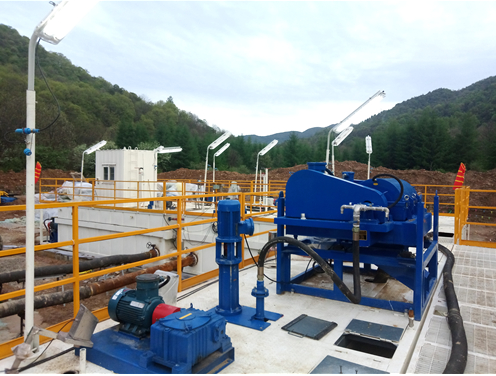
In slurry separation systems, the centrifuge is the core power unit, essential for efficiently separating solids and liquids. From construction mud treatment to mining tailings recovery and chemical slurry purification, centrifuges are the key equipment for tackling complex separation challenges. For KOSUN Industrial, mastering high-performance centrifuge technology is central to its competitive edge, delivering reliable support for efficient separation across multiple industries.
How Centrifuges Work

Centrifuges work by using centrifugal force to rapidly separate dense solids from liquids. Slurry enters the rotating drum, solids are pushed outward forming a cake, and the clarified liquid discharges through dedicated outlets. This method is 5–10 times faster than gravity-based separation and excels with fine particles below 20 μm.

Applications in Construction

In construction, centrifuges handle slurry with fine sand and clay, precisely controlling solid content to stabilize boreholes. KOSUN’s construction centrifuges use variable-frequency speed control, reducing sand content to under 1% for high-quality operations.

Applications in Mining

In mining, centrifuges treat tailings slurry with high viscosity, producing dry tailings (<40% moisture ) and clear water for recycling. KOSUN’s mining centrifuges feature wear-resistant drums and corrosion-proof components, doubling service life under harsh, continuous operation.

Applications in Chemical and Environmental Sectors

Centrifuges are also vital in chemical and environmental sectors. They enhance product purity in chemical processing and accelerate solid-liquid separation in wastewater treatment, reducing costs and complexity.

Performance Factors

Performance depends on drum material, speed range, and automation. KOSUN Industrial offers a full spectrum of high-performance centrifuges , from lab to large-scale systems, with intelligent controls for real-time monitoring and parameter adjustment.

Future Trends

As industries demand higher efficiency and stricter environmental compliance, centrifuges are evolving toward smarter, faster, and more durable designs. With innovation at its core, KOSUN continues to optimize centrifuge performance , making it the preferred choice for slurry separation projects across sectors.

Conclusion

Whether for efficient separation, resource recovery, or environmental goals, KOSUN centrifuge provides the reliable, high-performance foundation that modern slurry operations require.
The Critical Role of the Wedge Block of Shale Shaker in Optimizing Screen Tensioning and Performance

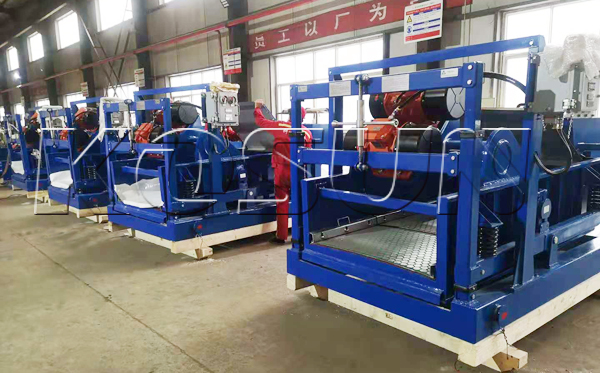
In drilling operations, the solids control system protects equipment and maintains the quality of the drilling fluid. At the center of this process is the shale shaker, which removes drill cuttings from drilling mud. While motors and vibration performance often receive the most attention, experienced operators recognize the importance of the wedge block of the shale shaker. This small component plays a critical role in screen tensioning, ensuring efficient separation and long screen life.

How the Wedge Block of the Shale Shaker Secures the System

The wedge block of the shale shaker is a precision fastening device that converts lateral force into downward clamping pressure. Installed within a dedicated slot, it locks the screen firmly against the shaker bed. This simple wedge action generates substantial holding force, preventing screen movement during intense vibration.

Without proper tension, screens can develop “flutter,” in which they vibrate independently of the basket. This reduces separation efficiency, accelerates fatigue, and hinders solids conveyance. By keeping the screen and basket moving as a single unit, the wedge block supports effective solids control performance.

Essential Shale Shaker Parts and Screen Tensioning

The wedge block works alongside other shale shaker parts, including tensioning rails, rubber channels, and screen frames. Because shakers often operate at vibration levels exceeding 7G, every component depends on proper screen tension.

Rubber channel strips cushion the screen against the basket, but only when sufficient pressure is applied by the wedge block. Worn or incorrectly sized wedges can compromise the entire tensioning system, causing screen damage, rubber wear, and drilling fluid bypass that may affect downstream equipment such as desanders and mud pumps.

Impact of Shale Shaker Components on Screen Life

Every shale shaker component contributes to overall performance. When screens are not properly tensioned, repeated flexing causes wire abrasion and premature mesh failure.

The wedge block serves as the final locking mechanism that eliminates slack across the deck. This is especially important for fine-mesh screens, where even slight movement can lead to blinding or screen failure. As a result, quality shale shaker components help extend screen life and reduce operating costs.

Best Practices for Shale Shaker Maintenance

An effective shale shaker maintenance program should include regular wedge block inspections. Since wedge blocks are designed as replaceable wear items, replacing them is far less costly than repairing baskets or replacing damaged screens.

Operators should inspect wedge heads for mushrooming, check tapers for wear or distortion, and verify proper resistance during installation. Slots should also be cleaned regularly, as accumulated mud and debris can prevent proper seating and create uneven screen tension.

Choosing the Right Wedge Block Material

Shale shaker environments expose components to vibration, drilling chemicals, oils, and salts. For this reason, wedge blocks are commonly manufactured from HDPE, polyurethane, or advanced composite materials.

Material selection is important. Excessively hard wedges may crack, while softer materials can deform and lose holding force. Modern composite designs balance rigidity with vibration absorption, maintaining secure tension under demanding operating conditions. This durability is a key characteristic of high-quality solids control equipment.

Conclusion

Although small in size, the wedge block of shale shaker is essential to screen tensioning, separation efficiency, and equipment protection. Proper selection and maintenance help prevent screen flutter, extend screen life, and improve overall drilling performance while reducing operating costs.

Optimizing Mud Mixing with a Shear Pump

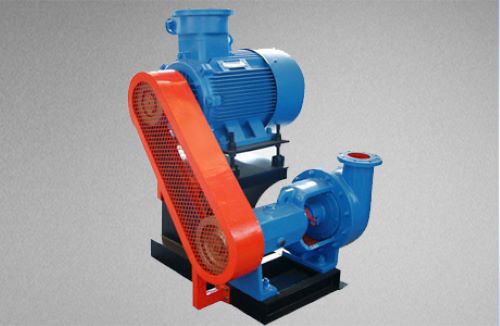
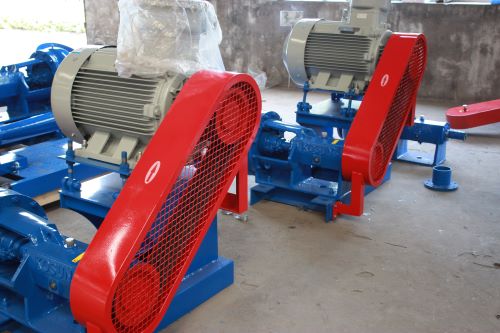
Modern drilling engineering requires high-performance drilling fluid. This fluid stabilizes wellbores. It also carries cuttings efficiently. Operators rely heavily on high-cost polymers. They also use bentonite clays. However, a common industry pain point arises during mixing. Conventional centrifugal pumps lack mechanical force. They cannot disperse these additives fully. As a result, undissolved polymer clusters form. Engineers call these sticky lumps “fish eyes.” They block shale shaker screens quickly. This issue wastes expensive materials. It also degrades overall mud properties. To overcome these mixing inefficiencies, the shear pump serves as a highly specialized engineering solution.Shear Pump

How a Shear Pump Operates in Solids Control

A drilling solids control system manages fluid properties sequentially. It relies on a multi-stage process. Shakers, desanders, and desilters remove harmful drilled solids. Meanwhile, the mixing section reconstructs fluid rheology. Inside the loop, the shear pump integrates strategically into the conditioning phase. It typically works in tandem with a jet mixer. The device does not merely transport fluid. Instead, it utilizes a specially engineered impeller. It also uses a shearing plate combination. The raw slurry passes through the high-speed rotor-stator architecture. Then, the fluid experiences intense, localized mechanical forces. This rapid energy transfer breaks down macro-molecular chains. It also destroys particle agglomerations. Consequently, water molecules penetrate into the core of each clay particle faster.

Field Advantages of the Shear Pump Architectureshear pump

Drilling operations achieve three quantifiable improvements by transitioning to high-shear processing:
    • Accelerated Hydration: The mechanical shearing action reduces chemical dilution time. It speeds up full hydration. Therefore, crews mix high-performance mud rapidly and accelerate spud-in readiness.
    • Material Cost Savings: The system eliminates undissolved clusters completely. It optimizes soil particle hydration. Therefore, it ensures that every kilogram of additive remains active. Field data demonstrates bentonite savings of over 30%. This directly lowers mud-building costs.
    • Enhanced Hydraulic Capacity: The system features an optimized power-to-flow ratio. It offers larger capacity. It also provides higher lift. Concurrently, this keeps sufficient hydraulic energy in the mud loop to meet deep-well circulation demands.

Ultimately, preventing material waste enhances a well’s overall economic yield. Shortening mud preparation intervals also drives efficiency. For drilling contractors, upgrading to this engineered shear pump system represents a highly reliable operational decision.