
In drilling operations, the solids control system protects equipment and maintains the quality of the drilling fluid. At the center of this process is the shale shaker, which removes drill cuttings from drilling mud. While motors and vibration performance often receive the most attention, experienced operators recognize the importance of the wedge block of the shale shaker. This small component plays a critical role in screen tensioning, ensuring efficient separation and long screen life.
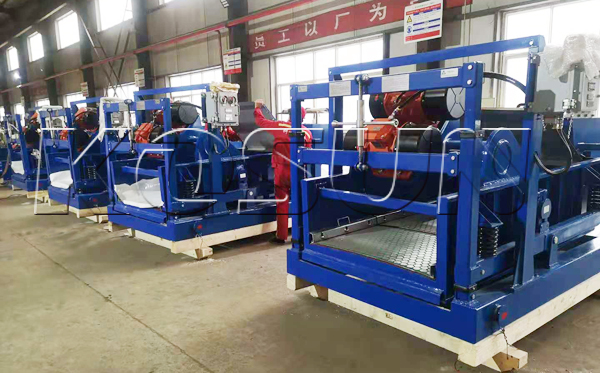
How the Wedge Block of the Shale Shaker Secures the System
The wedge block of the shale shaker is a precision fastening device that converts lateral force into downward clamping pressure. Installed within a dedicated slot, it locks the screen firmly against the shaker bed. This simple wedge action generates substantial holding force, preventing screen movement during intense vibration.
Without proper tension, screens can develop “flutter,” in which they vibrate independently of the basket. This reduces separation efficiency, accelerates fatigue, and hinders solids conveyance. By keeping the screen and basket moving as a single unit, the wedge block supports effective solids control performance.
Essential Shale Shaker Parts and Screen Tensioning
The wedge block works alongside other shale shaker parts, including tensioning rails, rubber channels, and screen frames. Because shakers often operate at vibration levels exceeding 7G, every component depends on proper screen tension.
Rubber channel strips cushion the screen against the basket, but only when sufficient pressure is applied by the wedge block. Worn or incorrectly sized wedges can compromise the entire tensioning system, causing screen damage, rubber wear, and drilling fluid bypass that may affect downstream equipment such as desanders and mud pumps.
Impact of Shale Shaker Components on Screen Life
Every shale shaker component contributes to overall performance. When screens are not properly tensioned, repeated flexing causes wire abrasion and premature mesh failure.
The wedge block serves as the final locking mechanism that eliminates slack across the deck. This is especially important for fine-mesh screens, where even slight movement can lead to blinding or screen failure. As a result, quality shale shaker components help extend screen life and reduce operating costs.
Best Practices for Shale Shaker Maintenance
An effective shale shaker maintenance program should include regular wedge block inspections. Since wedge blocks are designed as replaceable wear items, replacing them is far less costly than repairing baskets or replacing damaged screens.
Operators should inspect wedge heads for mushrooming, check tapers for wear or distortion, and verify proper resistance during installation. Slots should also be cleaned regularly, as accumulated mud and debris can prevent proper seating and create uneven screen tension.
Choosing the Right Wedge Block Material
Shale shaker environments expose components to vibration, drilling chemicals, oils, and salts. For this reason, wedge blocks are commonly manufactured from HDPE, polyurethane, or advanced composite materials.
Material selection is important. Excessively hard wedges may crack, while softer materials can deform and lose holding force. Modern composite designs balance rigidity with vibration absorption, maintaining secure tension under demanding operating conditions. This durability is a key characteristic of high-quality solids control equipment.
Conclusion
Although small in size, the wedge block of shale shaker is essential to screen tensioning, separation efficiency, and equipment protection. Proper selection and maintenance help prevent screen flutter, extend screen life, and improve overall drilling performance while reducing operating costs.