KOSUN SP Series Mixing Pump: Advanced Mixing Technology for Drilling Projects

The KOSUN SP Series stainless steel mixing pump provides instant hydration of polymers and bentonite. Discover how its axial turbine and pressure chamber eliminate “fish eyes” and reduce drilling fluid costs.

In modern drilling, whether onshore or offshore, drilling fluid quality determines everything. Its stability directly affects penetration rate, wellbore integrity, and overall project safety. However, preparing ideal fluid is not simply mixing powders with water. It is a complex process requiring powerful mechanical energy. This is where the KOSUN SP Series mixing pump excels.

Shear Pump

Why a Conventional Pump Is Not Enough

Standard centrifugal pumps are designed for transfer, not mixing. When powdered polymers or bentonite are added to conventional flow, they form dense gel lumps,”fish eyes.” These lumps clog shakers, settle in tanks, and increase additive consumption. Solving this requires a fundamentally different approach.

Innovative Hydrodynamics: Turbine and Pressure Chamber

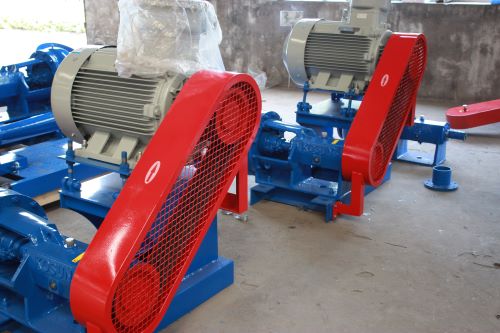
KOSUN engineers developed a design combining an axial-flow turbine pump with a horn-shaped pressure chamber.

How does it work? Fluid is accelerated by the turbine impeller to high velocity, then directed through nozzles toward an impact plate. At impact, intense mixing forces break molecular bonds, allowing polymers to fully hydrate. The result: complete elimination of “fish eyes” and perfect homogenization.

Materials That Ensure Long Service Life

Drilling fluid is aggressive, abrasive particles and chemicals quickly damage cast iron. For this reason, KOSUN uses precision-cast stainless steel for all wetted parts. Stainless steel provides corrosion resistance and strength to withstand continuous wear. The benefits: extended service intervals and reduced downtime.

Reliable Operation Under Any Conditions: Low NPSH

One main threat is cavitation, caused by insufficient suction pressure. Cavitation damages impellers and seals, leading to premature failure. The SP Series is optimized for low NPSH , maintaining stable operation even where conventional pumps fail.

Global Field Experience and Fast ROI

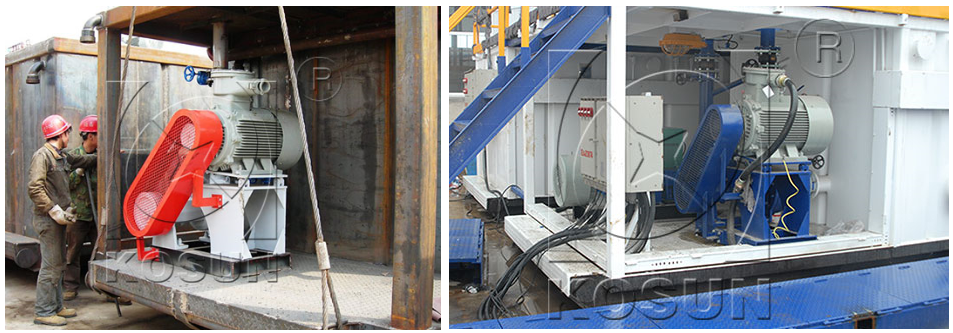
The KOSUN SP Series has proven itself worldwide, from Middle Eastern deserts to Russian winters and Southeast Asian humidity. A 75 kW configuration delivers 120–150 m³/h , ideal for large-scale systems. Improved chemical utilization and faster hydration reduce cost per cubic meter. Investment typically pays back within months through reduced material consumption and shorter mixing times. API compliance and a compact design simplify maintenance, even in remote locations.

Conclusion

The KOSUN SP Series mixing pump is a critical tool for maximizing drilling efficiency and minimizing non-productive time. With innovative hydrodynamics, durable stainless steel construction, and proven global performance, it delivers reliable, cost-effective mixing for the most demanding operations.

How Does KOSUN Drilling Fluid Jet Mixer Improve Drilling Mud Efficiency?

Drilling fluid plays a vital role in oil and gas drilling because it helps cool and lubricate the drill bit, as well as remove cuttings from the wellbore. Ensuring the proper density and viscosity of drilling fluids is critical to successful drilling operations. This is where KOSUN’s DJM series fluid jet mixer comes in handy.

The KOSUN DJM series fluid jet mixer is specifically designed to prepare drilling fluid and adjust its density and viscosity. With its advanced features and functionality, this fluid jet mixer is a game-changer for the industry.

Versatility of the Fluid Jet Mixer

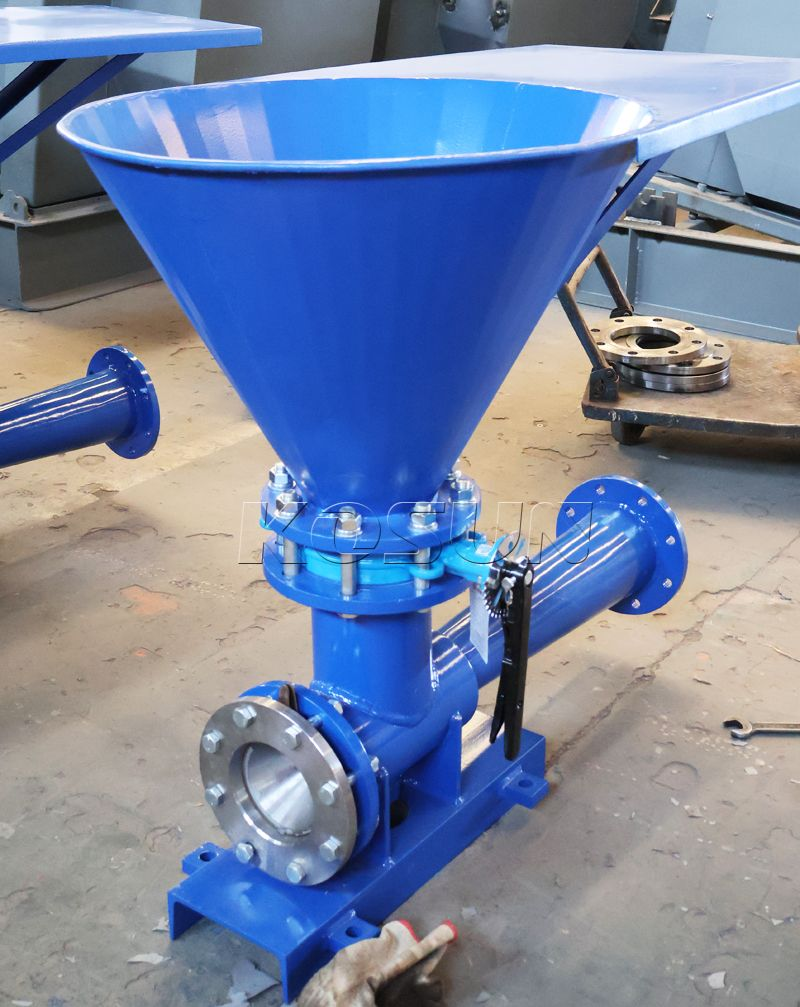
One outstanding feature of the KOSUN fluid jet mixer is its versatility. It is available in two variants: a single jet mixer combined with a sand pump and jet slurry hopper, or a double jet mixer consisting of two pumps and two hoppers. This flexibility allows drillers to choose the configuration that best suits their specific drilling needs.

Weighing hoppers play a vital role in the mixing process. They can be used in combination with the pump, or they can be used alone with the pump connected through the manifold valve. This seamless integration ensures efficient transfer of materials and additives into the drilling fluid, optimizing its performance.

Simplified Additive Integration

The KOSUN fluid jet mixer simplifies the addition of drilling fluid materials and chemical additives. Bentonite and barite powders, as well as polymer additives, can be easily introduced into the circulation tank. By increasing the overall volume of material, the fluid jet mixer ensures consistency and balance of the drilling fluid.

Designed for Efficiency

In addition to superior functionality, the KOSUN DJM Series fluid jet mixer is designed with efficiency in mind. A powerful 45 kW (or 55 kW) sand pump ensures reliable flow for fast and efficient mixing of drilling fluids. This saves valuable time during drilling operations and increases overall efficiency.

Conclusion

The KOSUN DJM series fluid jet mixer is a reliable and efficient tool for the oil and gas drilling industry. With its versatile configuration, seamless integration, and powerful pump, it enhances the efficiency and performance of drilling fluids. Whether adjusting density, viscosity, or adding drilling material, this fluid jet mixer is an invaluable asset to any drilling operation. It is believed that KOSUN Machinery can provide excellent solutions, optimize the drilling process, and promote success.

Centrifuge in Slurry Separation: Core Power for Efficient Processing

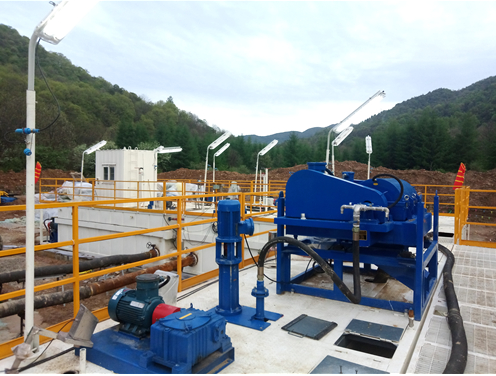
In slurry separation systems, the centrifuge is the core power unit, essential for efficiently separating solids and liquids. From construction mud treatment to mining tailings recovery and chemical slurry purification, centrifuges are the key equipment for tackling complex separation challenges. For KOSUN Industrial, mastering high-performance centrifuge technology is central to its competitive edge, delivering reliable support for efficient separation across multiple industries.

How Centrifuges Work

Centrifuges work by using centrifugal force to rapidly separate dense solids from liquids. Slurry enters the rotating drum, solids are pushed outward forming a cake, and the clarified liquid discharges through dedicated outlets. This method is 5–10 times faster than gravity-based separation and excels with fine particles below 20 μm.

Applications in Construction

In construction, centrifuges handle slurry with fine sand and clay, precisely controlling solid content to stabilize boreholes. KOSUN’s construction centrifuges use variable-frequency speed control, reducing sand content to under 1% for high-quality operations.

Applications in Mining

In mining, centrifuges treat tailings slurry with high viscosity, producing dry tailings (<40% moisture ) and clear water for recycling. KOSUN’s mining centrifuges feature wear-resistant drums and corrosion-proof components, doubling service life under harsh, continuous operation.

Applications in Chemical and Environmental Sectors

Centrifuges are also vital in chemical and environmental sectors. They enhance product purity in chemical processing and accelerate solid-liquid separation in wastewater treatment, reducing costs and complexity.

Performance Factors

Performance depends on drum material, speed range, and automation. KOSUN Industrial offers a full spectrum of high-performance centrifuges , from lab to large-scale systems, with intelligent controls for real-time monitoring and parameter adjustment.

Future Trends

As industries demand higher efficiency and stricter environmental compliance, centrifuges are evolving toward smarter, faster, and more durable designs. With innovation at its core, KOSUN continues to optimize centrifuge performance , making it the preferred choice for slurry separation projects across sectors.

Conclusion

Whether for efficient separation, resource recovery, or environmental goals, KOSUN centrifuge provides the reliable, high-performance foundation that modern slurry operations require.

The Critical Role of the Wedge Block of Shale Shaker in Optimizing Screen Tensioning and Performance

In drilling operations, the solids control system protects equipment and maintains the quality of the drilling fluid. At the center of this process is the shale shaker, which removes drill cuttings from drilling mud. While motors and vibration performance often receive the most attention, experienced operators recognize the importance of the wedge block of the shale shaker. This small component plays a critical role in screen tensioning, ensuring efficient separation and long screen life.

How the Wedge Block of the Shale Shaker Secures the System

The wedge block of the shale shaker is a precision fastening device that converts lateral force into downward clamping pressure. Installed within a dedicated slot, it locks the screen firmly against the shaker bed. This simple wedge action generates substantial holding force, preventing screen movement during intense vibration.

Without proper tension, screens can develop “flutter,” in which they vibrate independently of the basket. This reduces separation efficiency, accelerates fatigue, and hinders solids conveyance. By keeping the screen and basket moving as a single unit, the wedge block supports effective solids control performance.

Essential Shale Shaker Parts and Screen Tensioning

The wedge block works alongside other shale shaker parts, including tensioning rails, rubber channels, and screen frames. Because shakers often operate at vibration levels exceeding 7G, every component depends on proper screen tension.

Rubber channel strips cushion the screen against the basket, but only when sufficient pressure is applied by the wedge block. Worn or incorrectly sized wedges can compromise the entire tensioning system, causing screen damage, rubber wear, and drilling fluid bypass that may affect downstream equipment such as desanders and mud pumps.

Impact of Shale Shaker Components on Screen Life

Every shale shaker component contributes to overall performance. When screens are not properly tensioned, repeated flexing causes wire abrasion and premature mesh failure.

The wedge block serves as the final locking mechanism that eliminates slack across the deck. This is especially important for fine-mesh screens, where even slight movement can lead to blinding or screen failure. As a result, quality shale shaker components help extend screen life and reduce operating costs.

Best Practices for Shale Shaker Maintenance

An effective shale shaker maintenance program should include regular wedge block inspections. Since wedge blocks are designed as replaceable wear items, replacing them is far less costly than repairing baskets or replacing damaged screens.

Operators should inspect wedge heads for mushrooming, check tapers for wear or distortion, and verify proper resistance during installation. Slots should also be cleaned regularly, as accumulated mud and debris can prevent proper seating and create uneven screen tension.

Choosing the Right Wedge Block Material

Shale shaker environments expose components to vibration, drilling chemicals, oils, and salts. For this reason, wedge blocks are commonly manufactured from HDPE, polyurethane, or advanced composite materials.

Material selection is important. Excessively hard wedges may crack, while softer materials can deform and lose holding force. Modern composite designs balance rigidity with vibration absorption, maintaining secure tension under demanding operating conditions. This durability is a key characteristic of high-quality solids control equipment.

Conclusion

Although small in size, the wedge block of shale shaker is essential to screen tensioning, separation efficiency, and equipment protection. Proper selection and maintenance help prevent screen flutter, extend screen life, and improve overall drilling performance while reducing operating costs.

How is Dryer Shaker Working in Drilling Waste Management?

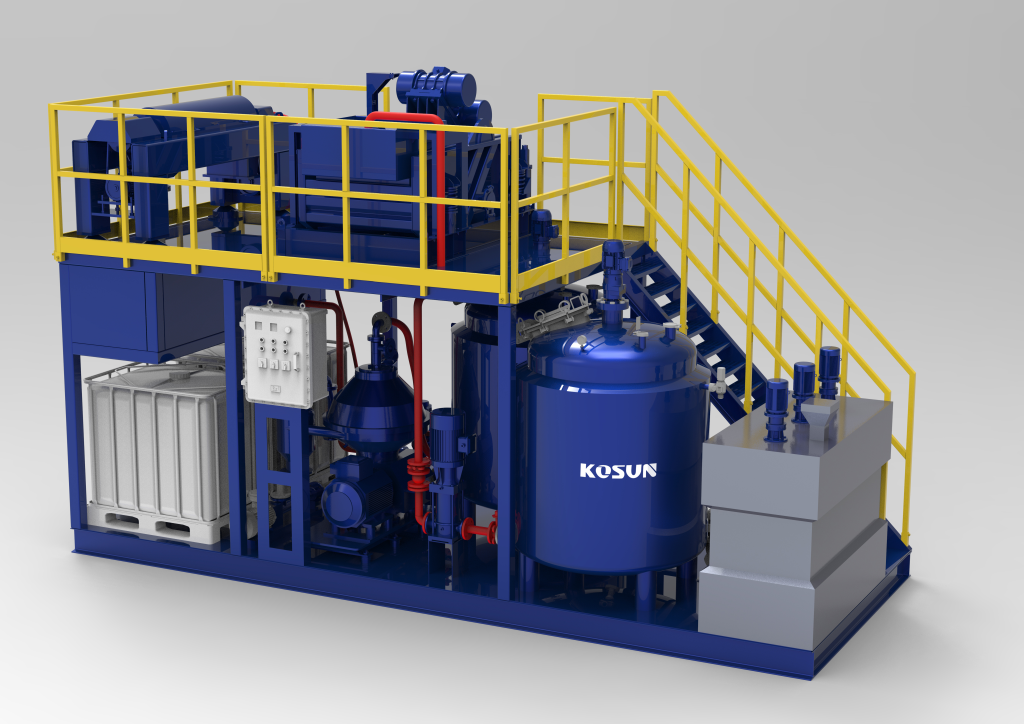
KOSUN develops dryer shaker,vertical cuttings dryerdrying shakerdecanter centrifuge, screw conveyor, screw pump and other first-class high-performance drilling waste management system, taking “zero discharge of drilling waste” as the drilling waste treatmentstandard.

drilling waste treatment

Hi-g dryer shaker reduces the liquid/oil content drilling cuttings to as low as about 10%(w/w) and recover part of the drilling mud,so that the drilling cost can be reduced and the drilling waste volume can be cut down,for the purpose of reducing environmental pollution.

Dryer Shaker
Dryer Shaker

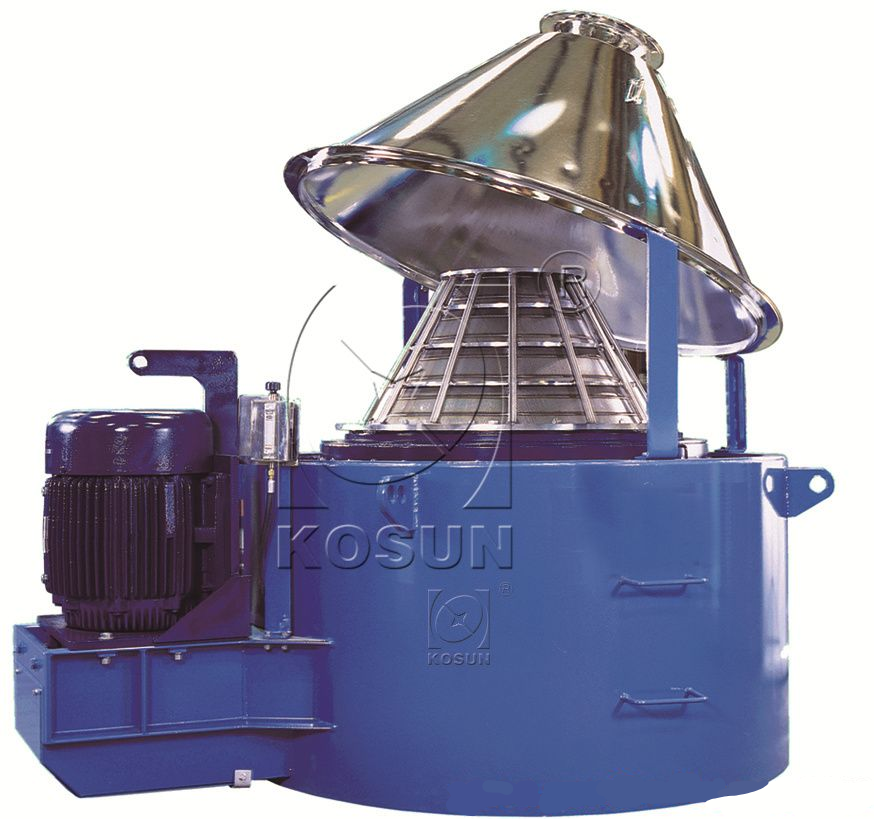
Hi-G dryer shaker and vertical cuttings dryer can be introduced as drill cuttings usually take away much drilling mud and thus raise drilling cost. Hi-G dryer manages oil content and water content down to 10% from 30% while vertical cuttings dryer lowers oil on cuttings below 5%, to the greatest degree, with small rotary speed and centrifugal filtration. Either of them is effective to recover drilling mud and shrink drilling cost.

KOSUN is a professional oilfield drilling mud Hi-G Dryer shaker supplier and manufacturer in China oil drilling mud solids control and drilling waste management industry. As a pioneer in this industry, KOSUN is capable of providing customers with series products, such as oil & gas drilling fluid solids control equipment, decanter centrifuge, drilling waste management equipment and drilling security equipment.
Kosun- China Solids Control Leader&Drilling Waste Mangement Expert

Hi-G Dryer Shaker of Solids Control Equipment by Kosun Manufacturer

Hi-G Dryer Shaker

Hi-G dryer shaker  is used to recover mud from cuttings to reduce the liquid / oil content in the cuttings to about 10% (w / w) and to recover part of the drilling mud to reduce drilling costs and reduce drilling waste Volume, reduce environmental pollution.  Drying shaker screen for WBM and OBM.

Hi-G dryer shaker is the key component in solids control equipment used in drilling industry. Drilling operations use a borehole technology to penetrate deep beneath the surface to reach the fossil fuel, in this pursuit the mud-loggers first need to do a sampling to ascertain the depth and quality of rock they are penetrating.

H-I G Dryer Shaker
H-I G Dryer Shaker

The drilling bit will carry with itself drilling cuttings, essentially the rock shavings, mixed with drilling mud. The mud-loggers will extract these shavings from the drilling bit for their further analysis. As explained earlier in the article, the drilling fluid is quite expensive so it is imperative for the operators to restore the drilling fluid from the drilling waste . For this purpose various solid control equipments are used, among them a shale shaker is the foremost.

Hi-G dryer shaker with the help of shaker screens helps in separating the drilling cuttings from drilling fluid, and the separated drilling fluid is channeled to a separate container for further processing and treatment. The dried solid, i.e. drilling cuttings are conveyed to a separate container for further treatment and disposal.

One very important factor in the solid control system is its contribution for environmental balance. If a solid control system is not efficient enough, it is likely that the drill cuttings will still carry some amount of drilling fluid that contains chemicals which could be really harmful for the environment and cause contamination of soil or ground water. The drilling industry follows strict rules on drilling waste management  for the sake of environmental impact.

In conclusion, drying shaker’s main function is to filter the drilling waste with the help of an effective shaker screen and as a result help in economy of overall drilling operations and environmental prevention.

Hi-G Shaker Main Functions and Structure of Kosun

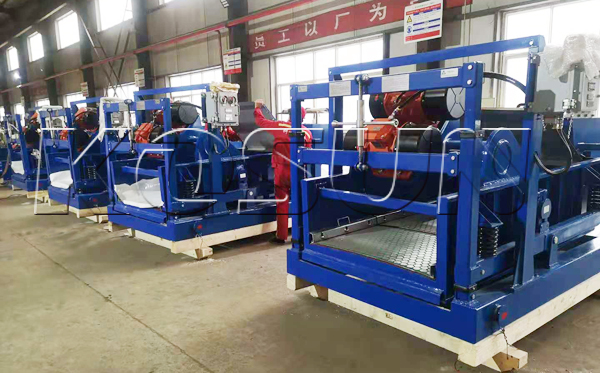
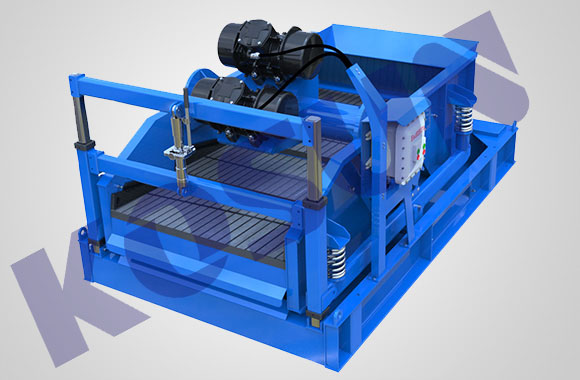
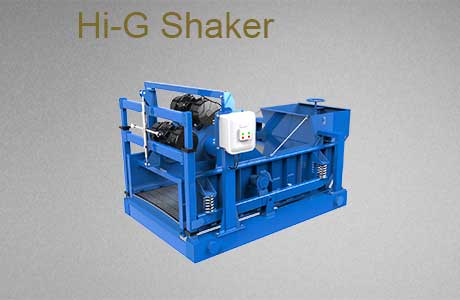
Hi-G Shaker

Hi-G Shaker is an integral tool to separate drilling  waste from the drill rigs. They are used in industries like oil and gas, coal cleaning and mining. It is impossible to function in a drilling industry without making ample use of Hi-G shaker. They serve as the purification channels for the drill rigs. They remove solids by processing them finely.

Hi-G Shaker
Hi-G Shaker

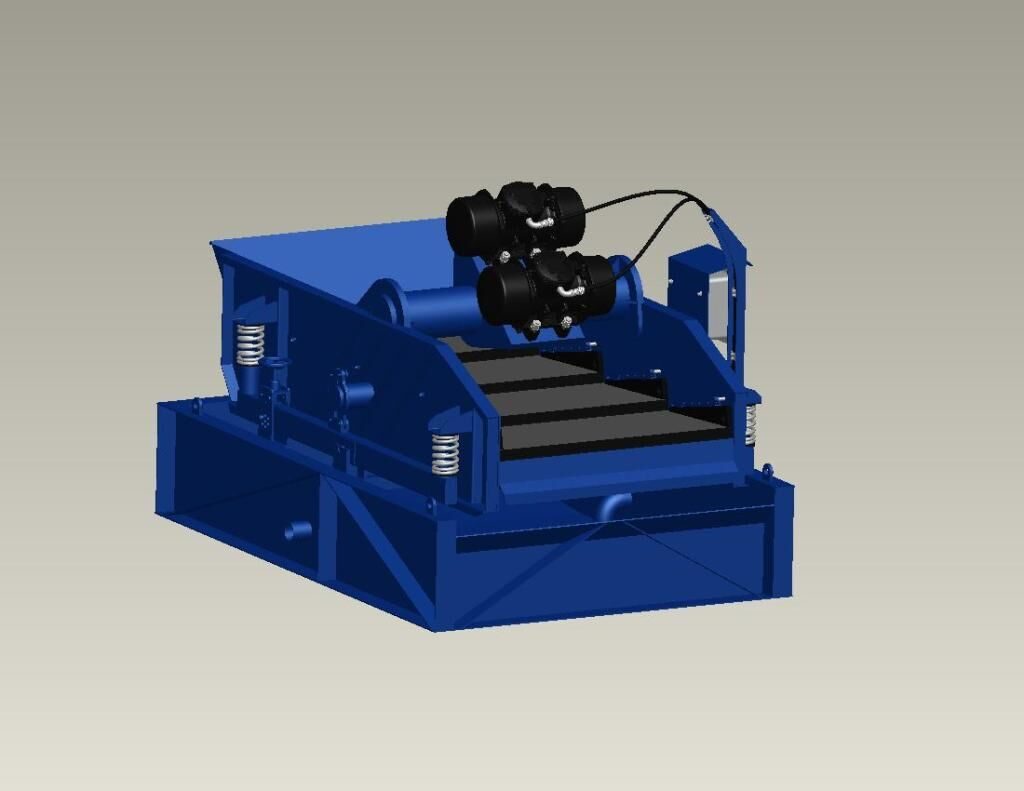
The structure of the Hi-G shaker consists of five equipments mainly,
1- Hopper
It is also known as “underflow” and “base.” It is an important tool for the Shale Shaker and works as a large vessel or pot for collecting the fluids that have been processed. It should be ordered depending upon the requirements of the mud system. The larger quantities of mud would require a Hopper of a different depth.
2- Feeder
A Feeder is a collection pan for the drilling fluids before they are processed. Some feeders are equipped with a specialized technique that helps the drilling fluid move through the shaker without any obstruction or hindrance and move inside the hopper and back into the mid system prior to purification. The most commonly used feeder is called a weir feeder.
3- Screen Basket
It is an impeccable and extra-ordinary part of the machine as it shakes and moves with perfect ease while the other parts of the machine carry forward the cleaning process. It aids in better functioning of the Hi-g drying  shaker. It must simplify the working and further maintenance of the machine.
4- Basket Angling Mechanism
The shaker basket must be fully equipped and designed as per the flow of the drilling fluids. It is accommodating enough to change the angle as per the flow of liquids. The flow could be divided into two categories, namely, Pool and Beach.
5- Vibrator
This is a specialized motor used for applying vibrating force and motion to the shaker bed. It also used a set of eccentric weights to provide and unidirectional force.

We manufacture Drilling Solids Control Equipment and Drilling Waste Management Equipment for more than 20 years experience with API, IADC, ISO and CE certificated.