
Oil sludge is rarely uniform. It arrives as a mixture of oil, water, and solid particles, and the ratio between those three components shifts from site to site, from tank to tank, and sometimes from load to load. That variability is the core challenge of oil sludge treatment: a process tuned for one feed may underperform badly on another. Getting it right means separating the components cleanly, recovering what has value, and reducing what must be disposed of — and doing so with a configuration matched to the material in front of you.
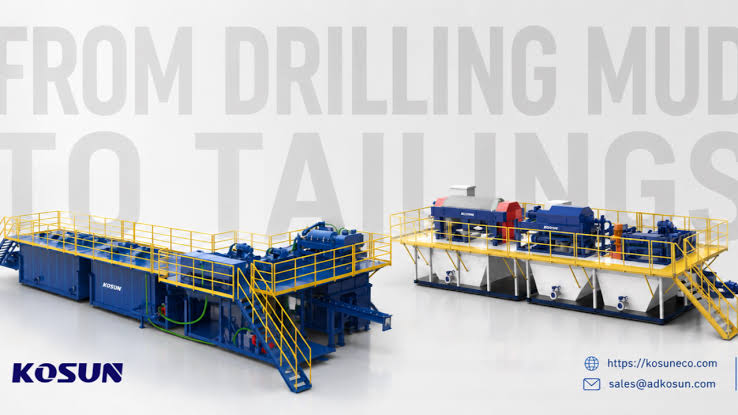
The Five Stages of an Oil Sludge Treatment System
An integrated oil sludge treatment system is not a single machine but a sequence of functional stages, each preparing the material for the next.
It begins with pretreatment, which conditions the incoming sludge so that downstream equipment can work effectively. Heating and chemical dosing follow, bringing the material to the required condition and promoting separation of oil from the solid phase. Thermal washing then releases oil that is bound to solid particles, improving overall recovery.
The heart of the process is three-phase centrifugal separation, where the conditioned mixture is split into three distinct streams: oil, water, and solids. Finally, oil storage and automatic control collect the recovered oil and coordinate operation across the full system, keeping the stages working as one unit rather than a set of isolated machines.
No two sludges behave identically, so the configuration and operating parameters of an oil sludge treatment system should always be selected according to the sludge’s characteristics and the treatment objectives — whether that means maximizing recovery rate, meeting a residual solids standard, or preparing separated water for reuse.
An Integrated Solution for Industrial Applications
KOSUN’s oil sludge treatment system brings these functional stages together into one coordinated solution. The configuration described here has a nominal processing capacity of 1 metric tonne per hour.
The process is designed around two primary outcomes. The first is oil recovery — reclaiming a stream that would otherwise be lost. The second is solid waste volume reduction, which lowers both disposal cost and environmental burden. Separated water can be evaluated for reuse after appropriate treatment, while recovered oil and solid residue should each be assessed against their intended reuse or disposal requirements before being returned to service or sent off site.
Choosing the Right Configuration
Because feed composition varies so widely, selecting an oil sludge treatment system comes down to five practical questions: What is the composition of the feed? What processing capacity does the site require? What oil recovery rate is targeted? Will separated water be reused, and if so, to what standard? And what site conditions — space, utilities, climate — will shape the installation?
Answering these questions first is what separates a system that performs reliably from one that struggles against its feed.
The Takeaway
Effective oil sludge treatment is less about any single piece of equipment and more about how the stages are matched to the material and the objective. KOSUN provides solid-liquid separation and industrial waste treatment solutions designed around practical process requirements, helping support resource recovery and more efficient waste management.